This guide explains how Justworks Reddit discussions can help employers evaluate payroll, benefits, and workplace compliance with clearer expectations. It also provides objective background on what “Justworks” is, why employees and founders use Reddit to compare services, and how to read posts responsibly—so decisions stay evidence-based, not rumor-driven.

If you’re researching Justworks via Justworks Reddit threads, the very useful approach is to treat the discussion as a map of themes—implementation experiences, payroll timing, benefits workflows, service responsiveness, and admin usability—then validate every claim with primary sources (plan documents, policy pages, and direct provider communication). Reddit can surface friction points quickly, but it rarely provides the complete context needed to judge overall suitability.
That “context gap” matters for two reasons. First, most payroll and benefits outcomes depend on timing and inputs from multiple parties (the employer, the employee, the benefits carrier, and the platform). Second, many Reddit posts reflect the specific moment when something felt urgent—late enrollment, a corrected pay run, or a support ticket that took longer than expected. That doesn’t mean the complaint is false; it means you still need to determine whether the issue is a normal operational step, a configuration mismatch, a boundary condition in the contract, or a genuine platform/service gap.
So the responsible way to use Justworks Reddit is to convert it into an evidence plan: identify what you need to confirm, then confirm it through written documentation, screenshots, contract scope, and (if possible) a reference call. In other words, Reddit is the starting point for due diligence—not the final verdict.
Justworks is a platform commonly used by small and mid-sized companies to manage employee administration functions such as payroll processing, HR workflows, and—depending on the company’s setup—benefits administration. For many employers, the appeal is centralization: fewer vendors, fewer disconnected spreadsheets, and an interface designed to support day-to-day HR tasks.
When people search “Justworks Reddit,” they’re usually trying to answer a narrower question than “Is this company good at HR?” They’re more often asking: “Is the platform reliable once it’s live for our kind of team?” That question often expands into the following practical areas:
Reddit threads often start with a specific event: a billing question, a payroll correction, confusion about benefits enrollment, or a customer service interaction that didn’t go the way the poster expected. That means the loudest posts aren’t necessarily representative—they’re the experiences that felt unusual, urgent, personally costly, or emotionally frustrating.
From an industry perspective, that isn’t a reason to dismiss Reddit; it’s a reason to treat it as incomplete data. Many HR systems issues aren’t “platform bugs” so much as “process friction,” where multiple deadlines and inputs collide. For example, an employee may submit required enrollment elections late, or the employer may need approvals for a payroll change workflow that depends on data validation. If the timing is wrong, the outcome may appear delayed even if the platform is behaving according to documented rules.
From a due diligence standpoint, the method matters:
Employers—especially startups and growing teams—often follow a common path. At first, there’s limited internal HR capacity and payroll is often handled with basic tools or manual processes. As the company scales and adds complexity (more employees, multiple states, more benefits complexity, frequent hires), internal knowledge doesn’t scale at the same rate. At a certain threshold, founders and operations leaders begin evaluating whether a dedicated HR/payroll provider would reduce risk and operational load.
In that transition, “support shape” and “workflow reliability” can be as important as feature checklists. Payroll and benefits are not just back-office tasks; they have downstream effects on employee trust. A payroll delay can cause employees to miss rent, plan purchases, or other personal timing obligations. Benefits confusion can result in missed enrollment steps or misunderstandings about eligibility. That’s why users often post when the platform didn’t meet the operational reality they expected.
At the same time, many satisfied users rarely write long threads. They might leave a short comment, mention that things “worked fine,” or never post at all. This is a classic selection effect in public forums. That’s why a balanced evaluation should combine:
When you read posts, focus on evidence and operational reality. The most useful threads don’t just say “it was bad” or “it was great.” They describe what happened, when it happened, what the provider asked the user to do, and what resolution looked like (did the user receive a corrected document, a confirmation email, a revised pay statement, or a clear step-by-step explanation).
An expert-style review of Justworks Reddit content typically rewards the following categories of information:
Payroll experiences often turn on process timing. A payroll platform usually has cutoff dates for submitting changes. If a change is submitted late, the outcome may appear delayed—even when the platform processes accurately once it receives the input. Reddit posts sometimes describe “late payroll,” but the root cause might be cutoff timing, incomplete employee data, approval workflows, or the need for an adjustment to be validated before it can be included in the next pay run.
So your goal isn’t to ask “Did someone have a payroll problem?” Your goal is to extract the operational conditions that led to the outcome.
What to extract: the time of submission, the timing of the outcome, whether the poster states that payroll deadlines were missed or unclear, whether the employer input (timekeeping data, effective dates, termination paperwork, or employee-provided data) was complete, and whether the platform provided a clear remedy path.
Follow-up questions to convert a Reddit story into a provider requirement: What is the specific cutoff schedule for hires, terminations, and retroactive adjustments? How are corrections documented? What happens when an input is missing—does the case get blocked, and what’s the exact “next action” the provider requires?
Benefits administration is rarely instantaneous. Enrollment often involves eligibility checks, plan selection steps, employer contribution rules, carrier processing, and documentation distribution windows. Some Reddit users may interpret normal carrier processing timelines as “platform delays,” especially during open enrollment or during life-event windows where elections must be processed quickly to avoid employee gaps.
Other posts may reveal that the real issue was workflow clarity: employees didn’t understand how to complete elections, or the employer didn’t understand which tasks were required from the employer vs. which tasks were handled by the platform and/or carrier.
What to extract: whether the issue was about enrollment access, eligibility rules, contribution settings, required employee action, or downstream communication to employees (like confirming that elections were received or that coverage started on the expected date).
Practical follow-up questions: During benefits enrollment, who is responsible for what steps? What are the deadlines for employer elections vs. employee elections? If a case is late, what are the options? How does the platform document and communicate enrollment confirmations or coverage effective dates?
Even well-designed platforms can require escalation. If Reddit posters describe support outcomes, the most useful information includes: how long resolution took, whether the issue was fixed on the first attempt, whether support required additional verification, and whether the documentation provided was adequate for the employer’s internal recordkeeping.
For HR operations teams, documentation quality matters because you may need proof of what was communicated and when—particularly for payroll corrections, tax documentation, and benefits enrollment confirmations.
What to extract: response time ranges, whether the provider required additional verification, whether there were intermediate updates, whether the poster received a “case closure” confirmation, and whether resolution was confirmed in writing.
Follow-up questions to ask a provider: What is the expected time-to-first-response? How does escalation work when something impacts payroll timing or benefits effective dates? What documentation is produced for “resolved” outcomes? How are urgent items handled?
Many vendor disappointments occur when scope wasn’t fully understood. A company may expect one service level but discover the reality of what is included in the platform vs. what is handled separately. This can apply to both payroll services and benefits admin workflows.
In practice, billing confusion can come from:
What to extract: any mention of unexpected costs, ambiguous packaging, missing onboarding deliverables, or confusion about how charges are calculated. Then confirm those points with the provider directly and request written scope confirmation.
For HR admins, “the day after login” experience matters. A platform might have the right features but still create work if reporting is hard to find, if exports are limited, if compliance artifacts aren’t easily accessible, or if dashboards obscure important status details (like payroll change status or benefits enrollment progress).
Conversely, a platform with clear workflows can reduce mistakes, because it guides users through required steps in an order that matches compliance and timing needs.
What to extract: whether posters mention specific workflow friction—like exporting reports, updating employee records, accessing audit-friendly documentation, tracking case status, or using reporting tools to verify payroll and benefits outcomes.
Follow-up questions: Can the platform produce sample reports for the workflows you care about? Can you export data in common formats? Is there a clear “status” concept for pending payroll changes or benefits steps?
You may also encounter price information in discussions around Justworks Reddit. However, pricing can vary by contract terms, company size, selected services, and state/jurisdiction requirements. Without primary documentation from the provider or your specific quote, it’s risky to treat any single Reddit number as a universal rate.
Professional approach: use Reddit to identify what to ask for, then request a written quote and a scope sheet. If you see a recurring “price surprise” theme, ask the provider to explain exactly what drives cost—such as service bundle components, payroll volume assumptions, benefits administration scope, onboarding/onboarding-support tasks, and any one-time setup deliverables.
Also consider that pricing is not the same thing as “total operational risk.” A slightly higher fee could be worth it if onboarding reduces payroll errors or if support resolves issues faster. A slightly lower fee could be disappointing if responsibilities fall back on the employer at key times.
For broader context on how HR/payroll service decisions are often evaluated, consider consulting authoritative labor guidance from government sources and compliance frameworks where applicable. For payroll and employment tax obligations, official guidance helps keep your assumptions grounded, especially for cutoff timelines, reporting obligations, and compliance documentation expectations.
The table below converts common “Justworks Reddit” research goals into a structured checklist. It doesn’t rely on rumor; it shows what you should verify before making a decision.
| Evaluation area | What Reddit may signal | Primary source to check | Conditions/requirements to confirm |
|---|---|---|---|
| Payroll accuracy and timing | Posts about delays, corrections, or “missed pay” | Provider payroll schedule/cutoff documentation and change policy | Cutoff dates, approval steps, correction processing timelines, and how late inputs are handled |
| Benefits enrollment experience | Confusion during enrollment windows or coverage effective-date disputes | Plan enrollment workflow documentation and eligibility rules | Eligibility verification steps, contribution settings, employee communications timelines, and carrier processing assumptions |
| Customer support quality | Comments on response times, ticket ownership, or incomplete resolution | Service-level expectations, escalation paths, and support hours | What documentation is required, what qualifies as “resolved,” and how complex issues are handled |
| Scope and pricing clarity | Unexpected cost or missing features | Written quote, scope sheet, and contract terms | Which modules are included, which are add-ons, how charges are calculated, and what responsibilities remain with the employer |
| Admin workflow usability | Complaints about dashboards, reports, or “where do I find X” friction | Demo environment and sample reports for your use case | Export needs, reporting frequency, audit-ready documentation access, and status tracking visibility |
Below is a method an HR/operations leader could follow when using public discussions as a starting point—then converting them into operational requirements. The goal is to transform forum anecdotes into a decision-ready checklist.
Before you read anything, clarify your company needs in plain terms: headcount, payroll frequency, number of benefit-eligible employees, benefits complexity, and any special situations. Examples include multiple locations, contractors vs. employees, frequent hiring cycles, or seasonal changes. This prevents you from misreading posts that don’t match your context.
Why this matters: many support or timing issues are highly sensitive to process maturity and configuration. If one Reddit poster had a complicated setup (multiple states, complex benefits, frequent terminations) and another had a simpler setup, their experiences may not be comparable.
As you scan Justworks Reddit discussions, create a small “theme list” in a notebook or spreadsheet: payroll timing, benefits enrollment clarity, support escalation, billing transparency, reporting workflow, onboarding experience. Then count how often each theme appears and whether the posts provide enough detail to be actionable.
To make this more rigorous, you can categorize themes by:
This lets you quickly identify patterns worth investigating and avoid being distracted by isolated or unclear posts.
Turn every theme into a direct question you can ask the provider. For example:
The key is that the question should be specific enough that a provider can answer with documentation, screenshots, timelines, and concrete workflow details—not vague reassurance.
Instead of relying on verbal explanations, ask for screenshots of the workflow or sample reports. This is particularly important for HR teams that must maintain records for internal audits and employee communications.
For example, if a Reddit thread mentions that payroll adjustments were hard to track, ask for a demonstration of how those adjustments appear in the admin interface. If a thread mentions benefits enrollment confusion, ask for the enrollment checklist and communication templates (what the employer sees, what employees see, and what confirmation is returned).
Request deliverables such as:
If feasible, request a pilot workflow aligned to your onboarding timeline. A pilot doesn’t need to include everything; it can cover the high-risk workflows you care about most, like:
If you can speak with current users, ask about the exact issue class you saw in Justworks Reddit posts—especially the ones that repeat. Reference checks should focus on process outcomes and documentation quality, not on whether the platform “feels good.”
In addition, ask the reference user what they would do differently in onboarding. Often, the most valuable information is what prevented problems—not what happened after problems occurred.
Even the best platforms require employer-side input. Ensure you understand the “handoff” between the platform and your internal team. Many escalations happen when required data is submitted late or incomplete, or when internal approvals are delayed.
To protect your internal team, define a simple “owner map”:
When you do this, you reduce the risk that a Reddit complaint becomes your future operational problem.
Before signing anything, ensure the following conditions are met. Think of this as your “minimum due diligence baseline.”
It can be useful for discovering recurring themes, but it shouldn’t be the final decision source. Reddit posts often reflect unique circumstances and may lack complete timing, staffing, or process details. Use them to generate due diligence questions, then confirm with official documentation and your specific contract scope.
A good practice is to treat Reddit as “hypothesis generating.” If multiple posters claim the same operational failure mode (for example, unclear cutoffs or inconsistent support documentation), that hypothesis should be tested with the provider and validated through written materials and reference checks.
Common themes include payroll cutoffs and change handling, benefits enrollment confusion during time-sensitive windows, and differences in support responsiveness. However, what you see depends heavily on the company’s setup complexity and onboarding maturity.
For example, a company with a small HR team and high hiring frequency may experience payroll timing stress more often. A company with complex multi-state benefits or frequent life events may experience more benefits workflow complexity. The “same platform” can yield very different outcomes depending on the operating context.
Ask whether cutoff dates were missed, whether employee data was incomplete, and whether approvals were required. A delay may reflect correct processing according to policy rather than an operational failure.
To interpret it responsibly, you should also consider:
Then seek written clarifications from the provider and request examples of how corrections are handled and documented.
Not consistently. Pricing can depend on plan configuration, service modules, contract terms, employee count, and whether benefits administration is included. Treat Reddit figures as hints about what might affect cost, then request a written quote and scope sheet for your situation.
If you see price complaints, request the provider to walk you through a line-item breakdown. Also ask what drives cost changes after implementation (for instance, increased employee count, additional services, or changes to benefits scope).
It’s normal to see variation in experiences. The more important signal is whether negative posts describe a pattern with actionable details (consistent policy issues, repeated process failures, or clearly documented resolution shortcomings).
A key differentiator is specificity. General frustration without details may not be actionable. Posts that describe a repeatable failure mode (like “we repeatedly missed cutoff dates because the documentation wasn’t clear,” or “support consistently didn’t provide written confirmation”) are more worth investigating and validating with primary sources.
Document your internal responsibilities, set reminders around payroll/benefits deadlines, and ensure your HR/admin team knows exactly what inputs are required and when. Keep a record of communications and confirmations for any changes that affect pay or benefits.
You can also reduce risk by requesting implementation artifacts early: the payroll cutoff schedule, benefits enrollment checklist, and sample confirmation outputs. Then build internal workflows around them. The platform should support your operating cadence, not force you into improvisation during high-stakes weeks.
Ask for a written scope sheet, payroll schedule/cutoffs documentation, benefits enrollment workflow documentation, support/escalation details, and examples of reports or confirmation artifacts you can expect after key events (hire, termination, payroll correction, and benefits enrollment changes).
Additionally, request:
From an operations and HR systems perspective, Justworks Reddit is top understood as a research compass: it points toward potential pain points and questions worth asking. The highest-quality decisions come when you translate discussion themes into verifiable requirements—supported by provider documentation, written scope, and (where possible) reference checks with organizations that resemble your headcount and benefits complexity.
If you want, share your company size, whether you need benefits administration, and the state context you operate in (or confirm “multiple states” vs. “single state”). I can tailor a due diligence question set specifically aligned to your expected workflows.
Many readers finish an article about “using Reddit for research” with a general sense of caution—treat the posts as leads. But the hard part of due diligence is operationalizing that caution. The most effective approach is to build an internal “requirements map” that ties each forum theme to a concrete deliverable you need from the provider or a concrete process you must implement internally.
Below is a practical deep-dive into how to do that. This section goes beyond the obvious points (like “ask about cutoff dates”) and focuses on the operational mechanics that can make or break payroll and benefits outcomes.
When a Reddit thread complains about payroll delays, the complaint often sounds like a single event (“we paid late”). But payroll problems usually have a lifecycle: a change request is created, validated, approved (sometimes), submitted to the payroll processing system, and then confirmed through statements or reports.
A helpful due diligence model is to assume every payroll change follows these stages:
If you ask providers only “Is payroll accurate?” you’ll get general reassurance. If you ask, “Walk me through your change lifecycle for a correction submitted after cutoff,” you’ll get details that let you judge how likely the platform is to cause employee-impacting surprises.
Specific outputs to request: sample workflow screenshots showing status for pending changes, the confirmation artifacts generated after processing, and the documented process for retroactive adjustments (including expected turnaround times and any limitations).
One of the most recurring sources of frustration in payroll threads is not always incorrect processing—it’s unclear expectations about cutoff dates and effective timing. “Cutoff clarity” is a concept with multiple dimensions:
To validate cutoff clarity, you should request the provider to show you how an employer is notified about cutoff rules and how late changes are handled. Then you should simulate a scenario: “If we submit a termination effective date on X date, what happens?”
Benefits discussions in forums often feel confusing because “benefits” is an ecosystem, not a single action. In many cases, enrollment outcomes depend on:
So when a Reddit poster says “benefits were delayed,” the underlying issue could be one of multiple components. It could be a platform workflow delay, but it could also be carrier processing or employee election completion timing.
A due diligence stance is to ask the provider to explain the entire communications timeline. That includes:
Concrete documents to request: the benefits enrollment workflow checklist, any sample confirmation emails or employer-facing notifications, and a documented explanation of what “processing completed” means.
Support quality is sometimes described emotionally on Reddit—users say support “didn’t care” or “was helpful.” Emotion matters, but it’s not operationally actionable. For due diligence, support should be evaluated as a process:
You can often find support weaknesses not in response time alone, but in resolution artifacts. For an HR team, knowing that a case was “resolved” is less helpful than having a clear record of what was changed and when.
Specific ask: request sample case notes or the format of closure communications. Even if exact cases can’t be shared, a template can show whether the provider documents changes in a way that your team can use later.
Reddit posts sometimes complain about dashboards or navigation. Those complaints may sound subjective, but there are objective usability factors that reduce operational mistakes:
If you’re evaluating user experience, don’t rely only on “what people say is annoying.” Ask to see examples of specific workflows you will perform weekly or monthly. Then test them mentally against your internal operating rhythm.
For example, if your team regularly updates employee addresses or pay rates, ask to see those screens and whether the platform provides clear effective date logic and confirmation outputs. If your team handles audits, ask for how reporting can be exported and verified.
Billing complaints on Reddit can sometimes be dismissed as “people didn’t understand pricing.” But pricing clarity is still important for risk management. Employers need predictable budgeting and a way to validate charges against actual scope.
In due diligence, you should treat billing clarity as including:
Specific ask: request a written breakdown that includes “what happens if…” scenarios: “What happens if we add employees mid-month?” “What if we start with payroll-only and later add benefits admin?” “What if we adjust scope after onboarding?”
Even if a platform is capable, onboarding is where reality is established. Many negative Reddit experiences can be linked to onboarding mismatches: data migration problems, misunderstandings about required inputs, missing training, or unclear responsibilities. Similarly, positive experiences often correlate with well-managed onboarding where the employer prepared the necessary data and understood deadlines.
So in your evaluation, don’t just ask about platform features—ask about onboarding deliverables.
Onboarding questions to ask:
Then verify that onboarding includes training for the workflows most likely to fail: cutoff timing, payroll correction handling, benefits enrollment steps, and support escalation.
When you do reference calls, many employers ask generic questions like “Was it good?” or “How was support?” These often generate vague answers. Instead, request pattern-based information.
Ask reference users to describe:
If you can, ask about the same themes you saw on Justworks Reddit. That makes the reference check directly tied to your due diligence hypothesis.
To operationalize this whole approach, you can reuse a question template. Here’s a structured set of questions aligned to the themes commonly raised in Justworks Reddit discussions.
Not every negative Reddit post is equally meaningful. There are cases where Reddit signals should be interpreted carefully and investigated more thoroughly.
In these cases, your due diligence should focus on verification: ask for documentation, clarify responsibilities, and request a detailed walkthrough of the relevant workflow.
Conversely, some posts are more valuable because they contain actionable evidence.
If you find this kind of content, treat it as a strong “due diligence trigger.” You should validate that trigger with primary sources and directly ask the provider to explain how that scenario is handled.
Selection effects are one of the biggest reasons public forums can distort perception. People post when something goes wrong—or when they feel the need to advocate. The result is that threads may over-represent extreme experiences.
To reduce selection effect bias, use Reddit for pattern discovery, not for probability estimation. That means:
By focusing on the shape of problems rather than the volume of complaints, you avoid false confidence and false fear.
Here is a straightforward decision framework you can implement after reading Justworks Reddit:
This framework respects the value of Justworks Reddit as a compass while ensuring your decision is grounded in evidence.
Reddit can accelerate your learning curve by showing what employers worry about: payroll timing, benefits workflow clarity, support escalation, and day-to-day admin usability. But the outcomes that matter for employees and compliance depend on documented workflows, contractual scope, cutoff timelines, and how edge cases are processed.
So keep the method consistent: let Reddit lead you to questions; let primary sources and real workflows answer those questions; and let your scope sheet and internal responsibility mapping convert those answers into operational safety.
If you want, share your company size, whether you need benefits administration, and the state context you operate in (or confirm “multiple states” vs. “single state”). I can tailor a due diligence question set specifically aligned to your expected workflows.



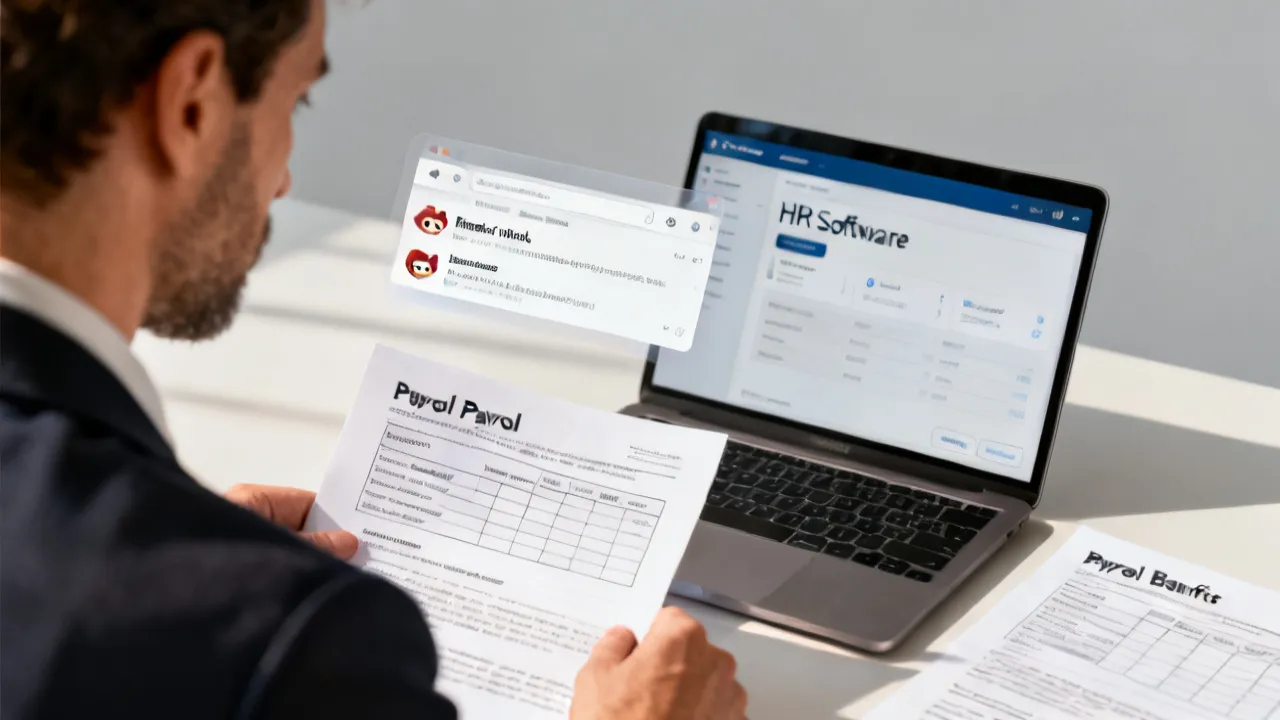

This guide explains Kony Dbx and how it fits into industrial connectivity workflows, from architecture choices to practical procurement considerations. Objectively, Kony Dbx is commonly discussed in contexts where device networking, control reliability, and integration quality matter. The article outlines what to evaluate, how to compare suppliers, and what operational conditions to meet.

Kony Dbx is a practical, controller-focused option for teams that need reliable device management, diagnostics, and workflow consistency. This guide explains what “Kony Dbx” typically refers to in industrial product ecosystems, how buyers evaluate supplier claims, and what requirements to confirm before purchasing—using an objective, procurement-first lens and industry top practices.

This guide explains what people discuss on Justworks Reddit and how those themes relate to SMB payroll, benefits, and compliance planning. It then provides objective background on how employee-management platforms are evaluated, what commonly drives user sentiment, and how readers can translate online feedback into practical procurement steps for their organization.
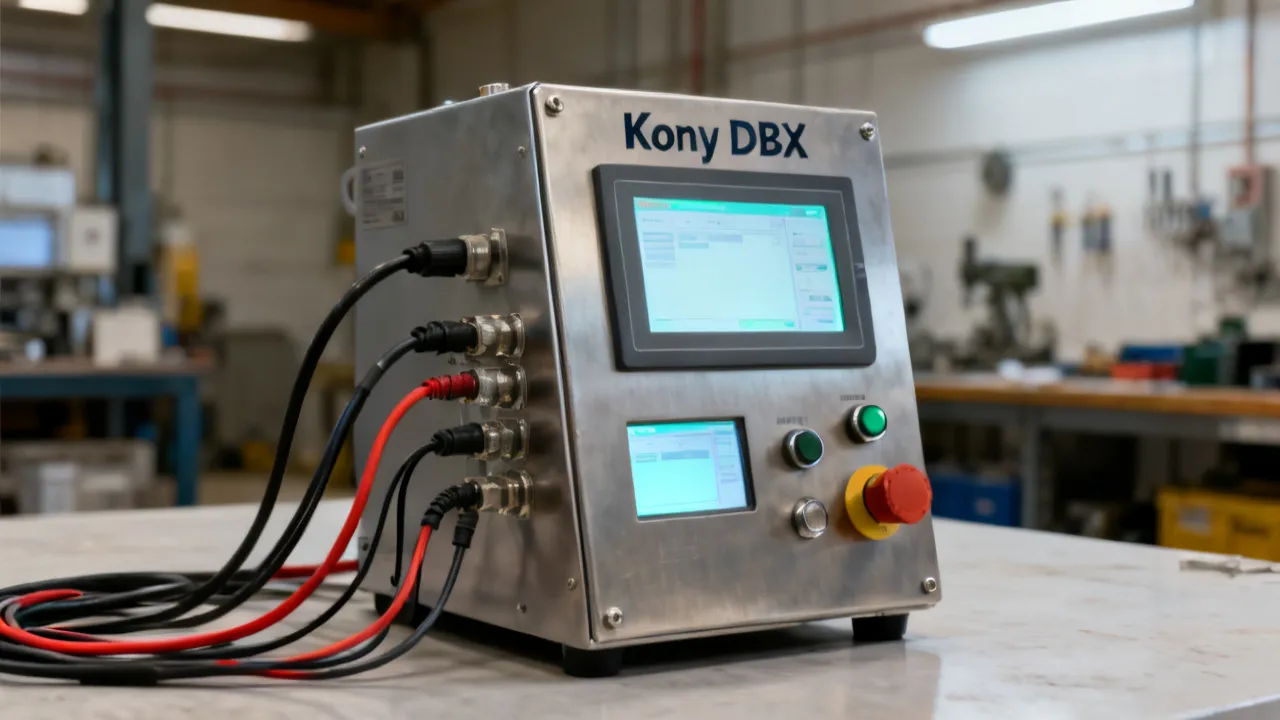
This guide explains Kony Dbx in practical, objective terms for teams evaluating integration, performance, and operational fit. Background context covers what “DBX” typically implies in industrial/software workflows, common selection criteria, and how vendors’ documentation and service terms should shape purchasing decisions—without relying on assumptions or marketing claims.