This article delves into the evolving role of the Transformational CFO in contemporary businesses. Highlighting their increasing importance, the piece explores how these financial leaders shape organizational strategy, foster innovation, and drive growth. It examines the shift from traditional financial management to a more strategic partnership within executive teams, balancing risk management and business transformation.

In the rapidly changing landscape of modern business, the role of the Chief Financial Officer (CFO) is undergoing significant transformation. The Transformational CFO is no longer confined to traditional financial oversight but is emerging as a pivotal figure who drives strategic growth and innovation. This shift involves navigating complex financial landscapes while aligning with broader organizational goals to ensure sustainability and competitiveness in the market. The emergence of such multifaceted roles underscores the necessity for financial leaders who are adept not just in numbers but also in fostering a culture of innovation and adaptability.
The emergence of the Transformational CFO marks a departure from conventional financial management roles. Traditionally, CFOs have focused on financial reporting, cost management, and capital structure optimization. Today, their responsibilities have expanded significantly to include strategic planning, risk management, compliance, and technology adoption. This paradigm shift has been driven by the need for businesses to adapt to digital transformation and the increasingly dynamic economic environment. Moreover, the growing expectations of investors and stakeholders demand a more proactive approach, compelling CFOs to be more engaged in areas such as sustainability reporting and corporate governance, areas that were often perceived as the exclusive domain of other executives.
With the rise of globalization, CFOs must now navigate international markets and currency fluctuations, requiring a deeper understanding of global economics and regulatory landscapes. They are also challenged by the complexities introduced by the pandemic, which has accelerated shifts in consumer behavior and business operations. In this context, leading firms are looking to their CFOs to deliver clear insights that guide strategic direction akin to a compass that directs the organization’s journey through uncharted waters.
Transformational CFOs play a crucial role in guiding companies through strategic pivots and business model innovations. They act as strategic partners to the CEO, providing insights derived from data analytics that inform decision-making processes. By leveraging financial acumen and strategic foresight, they enable organizations to capitalize on emerging opportunities and mitigate potential risks, ensuring good sustainability and success. This means that CFOs must be not only proficient in interpreting financial data but also skilled in making strategic recommendations that align financial capabilities with operational capacities.
A key aspect of their strategic role is fostering a culture of agility within the organization. This involves encouraging teams to embrace change and be responsive to market dynamics. Transformational CFOs are often the architects of financial flexibility, ensuring that capital is allocated efficiently and that investments are made in initiatives that promise high returns. They might utilize scenario planning and forecasting to anticipate changes in the marketplace or shifts in consumer demand, which empowers organizations to pivot quickly when necessary.
In the digital age, technology plays a pivotal role in shaping business operations and strategies. The Transformational CFO is instrumental in integrating technological advancements within financial frameworks. They champion the adoption of advanced financial technologies such as artificial intelligence, blockchain, and data analytics tools which streamline operations and provide actionable insights. This technological integration not only enhances efficiency but also supports the overall digital transformation of the organization.
Furthermore, the Transformational CFO must lead by example, promoting a culture where innovation is embraced. This may involve creating cross-functional teams that include IT, operations, and marketing professionals to drive holistic improvements and technological solutions. For instance, implementing an enterprise resource planning (ERP) system that integrates financial and operational data can provide real-time insights and improve decision-making across all departments. By understanding the nuanced interplay between different organizational functions, CFOs can ensure that technological investments pay dividends not just in finance, but across the entire organization.
A key responsibility of the Transformational CFO is to maintain a delicate balance between risk and opportunity. By employing robust risk management frameworks, they protect the company’s assets while capitalizing on investment opportunities that align with strategic objectives. Their expertise in identifying and assessing financial risks ensures that businesses can navigate uncertain market conditions while pursuing innovative growth strategies. This balancing act may include adopting advanced analytics to predict economic downturns or changes in market conditions, thus enabling proactive shifts in strategy.
Moreover, leading organizations today are increasingly facing non-financial risks such as cybersecurity threats, reputational damage, and regulatory compliance challenges. The Transformational CFO must be well-versed in these areas, leveraging risk management tools and strategies that encompass both traditional financial risks and these emerging concerns. Engaging with risk management frameworks that are integrated with organizational goals ensures long-term viability and fosters stakeholder trust.
| Contribution | Impact |
|---|---|
| Strategic Planning | Ensures alignment of financial goals with business strategies for sustainable growth. |
| Innovation Sponsorship | Facilitates the integration of new technologies, driving efficiency and competitive advantage. |
| Risk Management | Balances potential risks with strategic opportunities to protect organizational assets. |
| Data-Driven Decision Making | Utilizes data analytics to inform executive decisions and optimize financial performance. |
| Change Management | Drives organizational transformation initiatives through effective resource allocation and strategic vision. |
| Stakeholder Engagement | Enhances investor relations and aligns financial positioning with stakeholder expectations and interests. |
A Transformational CFO is characterized by their strategic vision, technological savvy, and ability to foster innovation while managing risks effectively. They possess strong leadership skills, can adapt to changing market conditions, and maintain an ability to communicate complex financial concepts to various audiences. Their capacity for empathy allows them to understand employee and stakeholder concerns, making them effective advocates for change and transformation within the organization.
By integrating financial technologies and advocating for digital initiatives, Transformational CFOs drive the adoption of new tools that enhance operational efficiency and support strategic growth. They play a crucial role in aligning digital transformation efforts with business objectives, ensuring that digital strategies resonate across the entire organization. For example, a Transformational CFO might lead initiatives that implement data-driven decision-making processes and facilitate the usage of big data analytics in forecasting and performance tracking.
The evolving business environment, characterized by rapid technological advancements and market volatility, requires CFOs to adopt a more strategic and adaptive role, moving beyond traditional financial reporting to become influential leaders in business strategy. The need for transparency and accountability in financial governance also drives this evolution, alongside demands for enhanced stakeholder engagement. Additionally, the shift towards stakeholder capitalism necessitates that CFOs prioritize not just financial metrics but also environmental, social, and governance (ESG) issues in their decision-making processes.
Stakeholder engagement is critical for the Transformational CFO, as it helps build trust and credibility with investors, regulators, and the public. By actively communicating and sharing plans related to financial performance, strategies, and risk management, CFOs can align stakeholder expectations with business realities. This alignment is particularly important in times of uncertainty, where the CFO’s ability to transparently convey financial conditions can help stabilize investor confidence and support share value. Moreover, robust stakeholder engagement can enhance corporate governance practices, further strengthening the organization's reputation.
A variety of leaders exemplify the qualities of a Transformational CFO, each uniquely contributing to their respective organizations in ways that align with modern business challenges and opportunities. One notable example is Ruth Porat, the CFO of Alphabet Inc. and Google. Porat's ascension to the role came with the expectation of not only managing the company's financial health but also orchestrating significant investments in innovation and long-term growth strategies. Under her leadership, the emphasis has shifted towards integrating artificial intelligence into operational processes, which has been instrumental in enhancing Google's product capabilities. Moreover, her commitment to transparency and stakeholder communication has fortified investor confidence, making her a critical asset to the organization.
Another example is David Wehner of Meta Platforms, Inc. As the leader of the financial team amidst the rapidly changing social media landscape, Wehner has adopted a proactive stance toward investing in future technologies. His role encompasses not just managing the company’s extensive budgets but also spearheading initiatives geared toward virtual reality and the metaverse. This forward-looking approach positions Meta to leverage new business models and demographics, underscoring how contemporary CFOs are expected to align financial strategy with broader corporate visions.
These leaders exemplify how a transformational CFO can drive an organization's comprehensive strategy by marrying financial expertise with a deep understanding of industry trends, stakeholder needs, and operational dynamics. Their experiences highlight that the role requires not just financial prowess but the ability to envision and navigate the future landscape of business.
Looking ahead, the role of the Transformational CFO will likely continue to evolve in response to changing market dynamics, technological advancements, and shifting stakeholder expectations. As organizations face increasing scrutiny over environmental responsibilities and social governance practices, CFOs will need to adopt frameworks that integrate sustainability into financial decision-making. This could involve developing comprehensive ESG strategies that resonate with investors and consumers alike, reflecting the growing trend toward socially responsible business practices.
Additionally, as financial operations become more intertwined with technology, skills related to data analytics and cybersecurity will take center stage. CFOs will need to be proactive in adopting technologies that enhance analytical capabilities, allowing them to make real-time decisions based on high-quality data rather than historical metrics. This agility will be crucial as businesses navigate an ever-more complex interconnected global economy.
Leadership development will also be paramount. As the Transformational CFO role matures, aspiring CFOs will need to cultivate their capabilities in areas such as people management, change advocacy, and strategic foresight. Empowering financial teams with the right mix of technical and soft skills will enhance their effectiveness and resilience, enabling the finance function to lead the charge toward innovation and strategic growth.
The rise of the Transformational CFO signals a new era in financial leadership where strategic insight and technological integration are paramount. As businesses face evolving challenges and opportunities, these financial leaders are poised to drive transformative change, ensuring organizations not only survive but thrive in the digital age. The multifaceted role they play—encompassing strategy, risk management, innovation, and stakeholder engagement—illustrates the increasing importance of finance as a driver of business success. In this context, the future will demand that CFOs remain adaptable, visionary, and deeply committed to fostering cultures of excellence that leverage financial analytics for strategic advantage.






Cash Management Services for Corporates help firms centralize liquidity, streamline payments, and improve visibility across banking relationships. This guide provides objective background on cash management, key service capabilities, and typical procurement considerations, focusing on corporate treasury needs such as payment controls, forecasting support, and operational governance.

Payment Processing Solutions are integral to modern commerce, facilitating seamless transactions between buyers and sellers. Deploying efficient systems allows businesses to handle payments securely and quickly across various platforms, providing a crucial backbone for ecommerce and traditional retail settings. This article delves into the nuances of payment processing, offering a thorough understanding for businesses looking to enhance their transaction capabilities.

Payment processing solutions are essential systems enabling businesses to handle transactions electronically, facilitating seamless financial activity. With the growing shift towards online and contactless payments, understanding these solutions is vital for businesses to stay competitive and ensure customer satisfaction. This guide explores the intricacies of payment processing, dissecting its components and how businesses can leverage these systems to enhance efficiency and security.

This guide delves into the realm of Payment Processing Solutions, essential for businesses enduring the challenges of efficiently handling financial transactions. These solutions integrate secure, fast, and customer-friendly payment technologies that are crucial for modern commerce, whether in-store or online. By implementing tailored strategies, businesses can optimize operations, reduce costs, and enhance customer satisfaction through seamless payment experiences.

Payment processing solutions are integral to modern commerce, facilitating secure and efficient transactions for businesses worldwide. These systems handle the authorization, transaction, and fund transfer processes, ensuring a seamless experience for both merchants and consumers. From credit cards to digital wallets, they are the backbone of financial transactions, evolving rapidly with technology advances.

This article delves into the vital role of payment processing solutions in today’s business landscape, highlighting their importance in facilitating transactions between companies and customers. With advancements in technology, such solutions have evolved to ensure increased security, speed, and efficiency for businesses across various sectors.
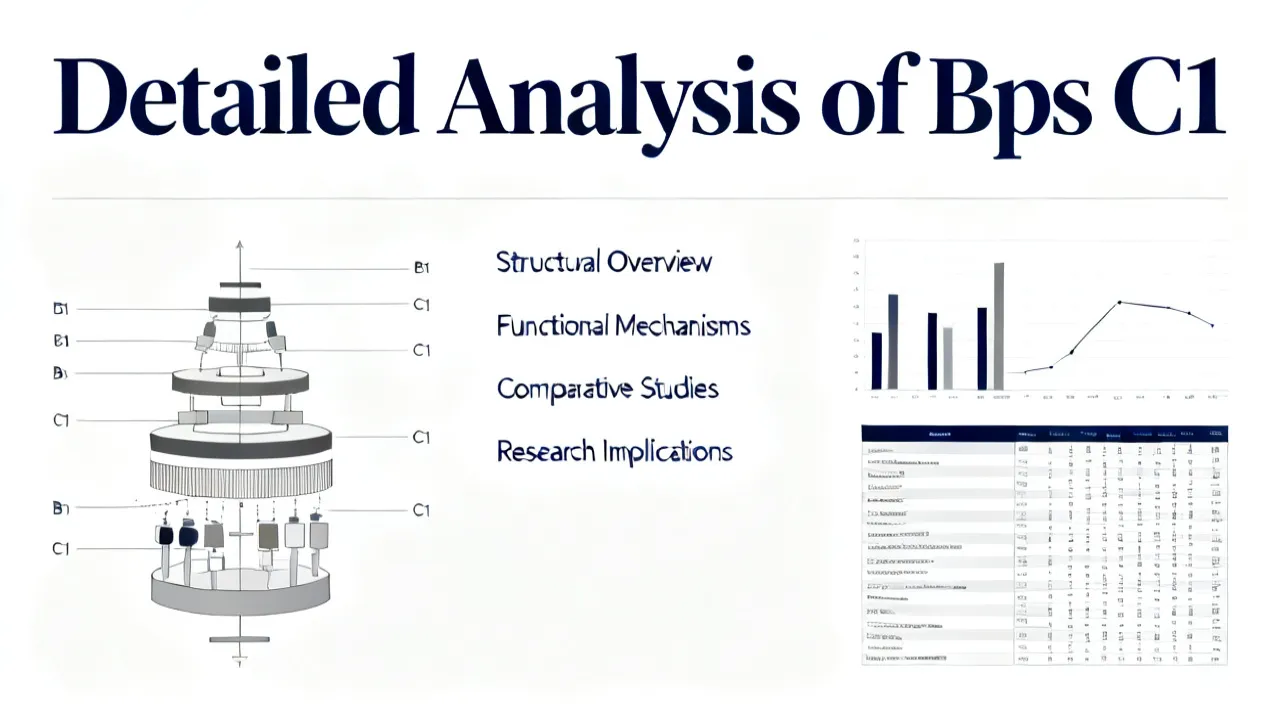
This article delves into the multifaceted applications of Bps C1, exploring its significance in various industries. Bps C1 refers to a class of products or technologies utilized in several sectors, and its prominent role in streamlining processes and enhancing operational efficiency is crucial for organizations aiming for competitive advantage.

This article delves deep into the pivotal role of Bps C1 in modern data systems, providing insights into how Bps C1 functions as a unit of measurement critical for assessing data transfer rates. Bps C1 stands as a measure of bits per second within communication networks, ensuring precise data flow evaluation. In a landscape where data transfer is foundational, the comprehension of Bps C1 is indispensable for industry professionals.