The Transformational CFO is pivotal in steering organizations through evolving business landscapes. With the role expanding beyond traditional financial management to embrace strategic foresight and innovation, these leaders drive change, leverage technology, and foster organizational growth. This article delves into the evolving responsibilities of transformational CFOs, the skills they bring, and the impact they have on their companies in today’s competitive environment.

The role of a CFO has undergone a significant evolution in recent years. Historically, Chief Financial Officers were primarily seen as number crunchers who focused on managing a company's financial statements, audit, compliance, and ensuring the budget aligns with company goals. However, the rise of the Transformational CFO marks a shift toward a more strategic role in guiding organizations through market shifts, technological advancements, and evolving business models. This change is driven by factors such as globalization, rapid advancements in technology, and changing customer expectations, all of which require CFOs to adapt quickly and effectively.
Transformational CFOs are not only financial experts but also business strategists who use data-driven insights to guide decision-making processes. They possess a broad understanding of the industry landscape and employ this knowledge to foresee challenges and seize opportunities for growth. Unlike their predecessors, who may have operated primarily within silos, today's CFOs are expected to collaborate across departments, leverage cross-functional teams, and contribute to overall organizational strategy. They act as business partners to the CEO and other executives, driving value creation and aligning business objectives with financial strategies.
Modern CFOs are expected to extend their influence beyond finance and bring about strategic change. Key responsibilities include driving change management initiatives, leading digital transformation, and fostering a culture of innovation within the organization. These CFOs are pivotal in aligning an organization’s financial and strategic goals to create a cohesive business strategy that promotes success. This repositioning requires a deep understanding of both the business’s operations and the external environment, as well as the ability to steer the organization through uncertainties.
Transformational CFOs must possess a mix of traditional financial acumen and new-age skills to remain effective and drive their companies forward. Essential skills include:
The influence of a Transformational CFO can profoundly shape an organization's success. By integrating strategic planning with operational execution, they help companies navigate complex environments and achieve sustainable growth. This effect is potent in capital allocation, talent management, and driving shareholder value. For example, a transformational CFO might implement a new budgeting process that links departmental performance metrics to financial resources, ensuring that investment decisions are aligned with broader strategic goals.
Moreover, as companies grapple with rapid changes, a transformational approach ensures they remain agile and responsive to market dynamics. This often involves restructuring financial teams, revising models and strategies, and enhancing stakeholder engagement through transparent communications. As financial leaders, CFOs need to articulate the value of strategic investments and operational changes clearly, often using storytelling techniques to resonate with various stakeholders. Their role as communicators extends to managing investor relations, where clear and consistent messaging can enhance investor trust and confidence.
Looking at specific examples, companies that have adopted a transformational approach in their finance departments typically outperform their peers in terms of growth and profitability. For instance, a notable case is that of a prominent technology company that appointed a transformational CFO to drive its digital transformation strategy. This CFO not only implemented a new cloud-based financial system but also championed data analytics initiatives that transformed how the organization utilized information for decision-making. The result was a marked increase in operational efficiency and a significant reduction in overhead costs. Within just a few years, the company reported a substantial uptick in market share and a more agile business model that allowed it to respond more rapidly to changes in consumer demand.
Another example can be seen in the healthcare sector, where a transformational CFO took the reins during a time of significant regulatory changes and pressures on profit margins. By aligning finance with clinical operations, the CFO led initiatives to reduce waste and improve resource allocation. They introduced financial performance metrics that connected directly with clinical outcomes, allowing the organization to prioritize projects that not only improved patient care but also enhanced profitability. As a result, this organization saw improved financial stability, allowing for investment back into innovative healthcare solutions.
| Question | Response |
|---|---|
| What is the primary role of a Transformational CFO? | A Transformational CFO goes beyond traditional financial tasks to include strategic planning, driving technology integration, and fostering business innovation. They are key players in shaping organizational strategy and guiding companies toward future growth. |
| How does a Transformational CFO contribute to digital transformation? | They lead the adoption of cutting-edge financial technologies and data analytics to drive efficiencies, improve decision-making, and enhance operational capabilities. By integrating these technologies, they position the organization to succeed in a rapidly changing environment. |
| Why is innovative thinking important for CFOs today? | Innovative thinking enables CFOs to proactively address and adapt to changes, fostering a nimble and forward-focused organizational culture. This helps in navigating through uncertainties and seizing opportunities in emerging markets or trends. |
| What challenges do Transformational CFOs face? | Transformational CFOs face challenges such as balancing strategic initiatives with day-to-day financial management, managing stakeholder expectations, and keeping up with the pace of technological change. They must also navigate the complexities of changing regulatory environments while ensuring financial compliance and reporting accuracy. |
| How can companies measure the effectiveness of their CFOs? | Effectiveness can be measured using key performance indicators (KPIs) such as return on investment (ROI) from strategic initiatives, improvements in profitability and revenue growth, enhanced operational efficiencies, and the ability to meet budgetary and compliance goals. Additionally, employee engagement and retention within the finance team can serve as indicators of a CFO's leadership capabilities. |
In conclusion, the Transformational CFO is a pivotal figure in the modern business landscape, blending financial intelligence with strategic vision to drive their organizations into the future. By embracing this role’s expansive demands, companies can confidently look forward to sustainable growth and innovation. The shift from a traditional CFO role to that of a transformational leader signifies a broader trend where financial leadership is aligned with strategic goals, enabling organizations to thrive in an increasingly complex and competitive environment. As they chart the course for their companies’ futures, transformational CFOs must continue to adopt new skills and adapt to the changing dynamics of the marketplace, ensuring their organizations remain resilient and forward-focused in an ever-evolving business world.
Looking ahead, the role of the Transformational CFO will likely continue to evolve, shaped by various trends that are manifesting themselves in the business environment. As digital transformation remains a focal point, CFOs will increasingly need to have technological insight and familiarity with data analytics tools. This drive will push CFOs to collaborate closely with IT departments and other businesses, ensuring that financial strategies are integrated with technological capabilities. Moreover, the emergence of big data and AI will further enhance CFOs’ ability to leverage predictive analytics for more informed financial decision-making.
Furthermore, sustainability and corporate social responsibility (CSR) are becoming increasingly significant for businesses globally. Transformational CFOs will need to prioritize ethical investments and engage in long-term sustainability planning, which directly impacts overall business strategy. The ability to report on and manage environmental, social, and governance (ESG) factors will be essential not only for compliance but also for meeting the expectations of stakeholders who are increasingly concerned about corporate responsibility.
As organizations continue to explore new business models, such as subscription services and direct-to-consumer approaches, CFOs must remain agile and adaptable. These emerging models require innovative financial strategies that can support different revenue streams and customer engagement strategies. By fostering a culture of innovation, transformational CFOs can ensure that their companies are not only reactive to trends but also proactive in creating new pathways to growth.
Lastly, as remote work becomes commonplace, CFOs will need to rethink traditional financial management practices. The rise of a hybrid workforce model presents unique challenges in terms of employee engagement, productivity tracking, and financial accountability. Transformational CFOs will play a key role in shaping policies and practices that ensure financial integrity while promoting a flexible work environment. This will involve leveraging collaborative tools to maintain open lines of communication and engagement with financial teams and ensuring that the workforce remains aligned with the organization’s strategic goals.
The transformation of the CFO role presents both challenges and opportunities. As business landscapes continue to morph due to technology, market dynamics, and evolving stakeholder expectations, transformational CFOs will be critical in steering their organizations through these complexities. By developing a broad skill set that includes financial expertise, technological prowess, innovative thinking, and leadership capabilities, they can effectively position their companies for future success. The path forward for transformational CFOs is filled with potential, providing them the chance to make a lasting impact within their organizations and the broader business environment.






Cash Management Services for Corporates help firms centralize liquidity, streamline payments, and improve visibility across banking relationships. This guide provides objective background on cash management, key service capabilities, and typical procurement considerations, focusing on corporate treasury needs such as payment controls, forecasting support, and operational governance.

Payment Processing Solutions are integral to modern commerce, facilitating seamless transactions between buyers and sellers. Deploying efficient systems allows businesses to handle payments securely and quickly across various platforms, providing a crucial backbone for ecommerce and traditional retail settings. This article delves into the nuances of payment processing, offering a thorough understanding for businesses looking to enhance their transaction capabilities.

Payment processing solutions are essential systems enabling businesses to handle transactions electronically, facilitating seamless financial activity. With the growing shift towards online and contactless payments, understanding these solutions is vital for businesses to stay competitive and ensure customer satisfaction. This guide explores the intricacies of payment processing, dissecting its components and how businesses can leverage these systems to enhance efficiency and security.

This guide delves into the realm of Payment Processing Solutions, essential for businesses enduring the challenges of efficiently handling financial transactions. These solutions integrate secure, fast, and customer-friendly payment technologies that are crucial for modern commerce, whether in-store or online. By implementing tailored strategies, businesses can optimize operations, reduce costs, and enhance customer satisfaction through seamless payment experiences.

Payment processing solutions are integral to modern commerce, facilitating secure and efficient transactions for businesses worldwide. These systems handle the authorization, transaction, and fund transfer processes, ensuring a seamless experience for both merchants and consumers. From credit cards to digital wallets, they are the backbone of financial transactions, evolving rapidly with technology advances.

This article delves into the vital role of payment processing solutions in today’s business landscape, highlighting their importance in facilitating transactions between companies and customers. With advancements in technology, such solutions have evolved to ensure increased security, speed, and efficiency for businesses across various sectors.
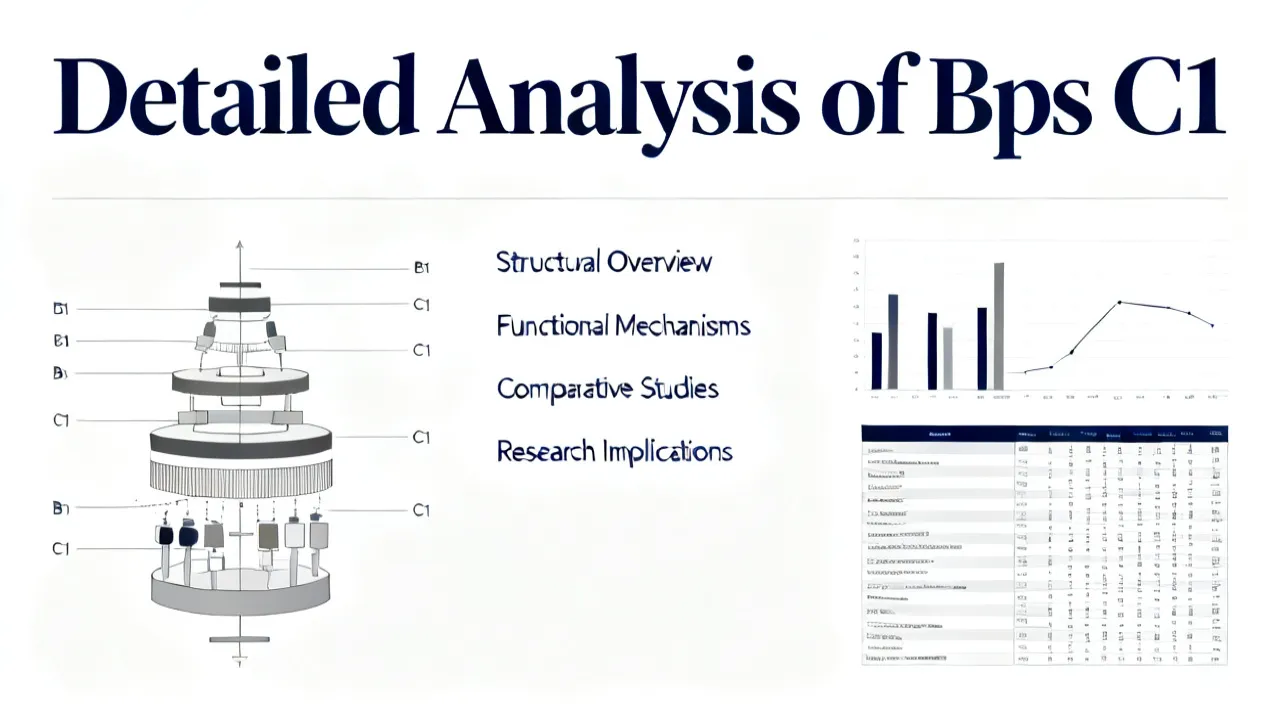
This article delves into the multifaceted applications of Bps C1, exploring its significance in various industries. Bps C1 refers to a class of products or technologies utilized in several sectors, and its prominent role in streamlining processes and enhancing operational efficiency is crucial for organizations aiming for competitive advantage.

This article delves deep into the pivotal role of Bps C1 in modern data systems, providing insights into how Bps C1 functions as a unit of measurement critical for assessing data transfer rates. Bps C1 stands as a measure of bits per second within communication networks, ensuring precise data flow evaluation. In a landscape where data transfer is foundational, the comprehension of Bps C1 is indispensable for industry professionals.