Uncover the evolving role of the Transformational CFO, poised at the intersection of finance and strategy. As financial landscapes shift, the need for CFOs to adapt and lead strategic transformations becomes critical. Explore the skills, responsibilities, and challenges faced by CFOs in this dynamic environment, and understand how they drive innovation and growth.

In today's rapidly changing business environment, the role of the Chief Financial Officer (CFO) is undergoing a significant transformation. Traditionally, CFOs were seen primarily as financial stewards, focused on managing a company's finances, ensuring compliance, and reporting. However, the demands of the modern marketplace require a more dynamic approach. Enter the Transformational CFO—a pivotal figure who not only manages finances but also plays a crucial role in driving business strategy and transformation.
The concept of the Transformational CFO arises from the need for finance leaders to adapt to increasingly complex business landscapes characterized by rapid technological advancements, shifting regulatory frameworks, and evolving customer expectations. This role transcends the boundaries of conventional corporate finance duties, positioning CFOs as strategic partners in the executive suite, actively engaging in discussions about future direction and innovation.
The Transformational CFO is characterized by a set of advanced skills that extend beyond traditional financial management. This includes strategic vision, a knack for innovation, and a deep understanding of both the digital landscape and data analytics. They are also adept at leading organizational change, fostering a culture of continuous improvement, and driving competitive advantage.
Some defining characteristics of a Transformational CFO include:
The impact of a Transformational CFO is far-reaching, influencing areas such as digital transformation, innovation leadership, and strategic resource allocation. By leveraging technology and data analytics, they provide insights that help shape strategic decisions and drive performance improvements across the organization.
Specifically, Transformational CFOs are often responsible for:
Transitioning to a Transformational CFO is not without challenges. These executives must navigate complex regulatory environments, manage cybersecurity risks, and adapt to market volatility. The ability to lead a finance team through digital transformation, while maintaining rigorous fiscal discipline, is critical to success.
Some common challenges include:
Across various industries, Transformational CFOs are making significant impacts. Whether it's driving sustainable business practices, leading mergers and acquisitions, or managing significant financial restructuring, their influence is critical to achieving business objectives.
Examples of Transformational CFO actions include:
| Company | Transformational Initiative | Outcome |
|---|---|---|
| Global Tech Inc. | Digital Financial Transformation | Increased efficiency and reduced operational costs. |
| Retail Giant | Sustainability Reporting | Improved brand image and compliance with new regulations. |
| Health Services Group | Comprehensive Risk Assessment Integration | Enhanced operational resilience and risk mitigation frameworks. |
| Automotive Manufacturer | Supply Chain Financial Optimization | Reduced costs while improving supplier relationship management. |
| Hospitality Chain | Data-Driven Customer Experience Strategy | Increased customer satisfaction and repeat business through optimized pricing models. |
The role of the CFO will continue to evolve in response to new technologies, economic conditions, and business strategies. As finance becomes more intertwined with strategic decision-making, the importance of the Transformational CFO will only grow, redefining what it means to be a leader in the finance realm.
Anticipated trends in the evolving role of CFOs include:
Q: What is a Transformational CFO?
A: A Transformational CFO goes beyond traditional financial management, focusing on driving strategic initiatives and leveraging technology to foster growth and innovation.
Q: What skills are required to be a Transformational CFO?
A: Key skills include strategic vision, proficiency in data analytics, innovation leadership, and change management capabilities.
Q: How does a Transformational CFO impact a company?
A: By influencing strategic decisions, driving digital transformation, and fostering a culture of innovation, they enhance company performance and competitive advantage.
Q: How does the Transformational CFO adapt to technology changes?
A: Transformational CFOs continuously upgrade their technical knowledge, collaborate with IT teams to evaluate emerging solutions, and drive the implementation of digital tools that enhance financial operations.
Q: In what ways can a Transformational CFO support sustainability initiatives?
A: They can incorporate ESG metrics into financial reporting, promote sustainable resource management, and develop financial strategies that align profitability with environmental and social responsibility.
Q: What impact is the pandemic having on the role of the CFO?
A: The pandemic has pushed CFOs to take leading roles in crisis management, financial forecasting, and remote operations, demanding agility and rapid decision-making in unprecedented circumstances.
Q: What future skills will Transformational CFOs need to be successful?
A: Beyond existing skills, future CFOs will need emotional intelligence, resilience, adaptability to technological advancements, and a strong focus on ethical leadership as they navigate complex business ecosystems.






Cash Management Services for Corporates help firms centralize liquidity, streamline payments, and improve visibility across banking relationships. This guide provides objective background on cash management, key service capabilities, and typical procurement considerations, focusing on corporate treasury needs such as payment controls, forecasting support, and operational governance.

Payment Processing Solutions are integral to modern commerce, facilitating seamless transactions between buyers and sellers. Deploying efficient systems allows businesses to handle payments securely and quickly across various platforms, providing a crucial backbone for ecommerce and traditional retail settings. This article delves into the nuances of payment processing, offering a thorough understanding for businesses looking to enhance their transaction capabilities.

Payment processing solutions are essential systems enabling businesses to handle transactions electronically, facilitating seamless financial activity. With the growing shift towards online and contactless payments, understanding these solutions is vital for businesses to stay competitive and ensure customer satisfaction. This guide explores the intricacies of payment processing, dissecting its components and how businesses can leverage these systems to enhance efficiency and security.

This guide delves into the realm of Payment Processing Solutions, essential for businesses enduring the challenges of efficiently handling financial transactions. These solutions integrate secure, fast, and customer-friendly payment technologies that are crucial for modern commerce, whether in-store or online. By implementing tailored strategies, businesses can optimize operations, reduce costs, and enhance customer satisfaction through seamless payment experiences.

Payment processing solutions are integral to modern commerce, facilitating secure and efficient transactions for businesses worldwide. These systems handle the authorization, transaction, and fund transfer processes, ensuring a seamless experience for both merchants and consumers. From credit cards to digital wallets, they are the backbone of financial transactions, evolving rapidly with technology advances.

This article delves into the vital role of payment processing solutions in today’s business landscape, highlighting their importance in facilitating transactions between companies and customers. With advancements in technology, such solutions have evolved to ensure increased security, speed, and efficiency for businesses across various sectors.
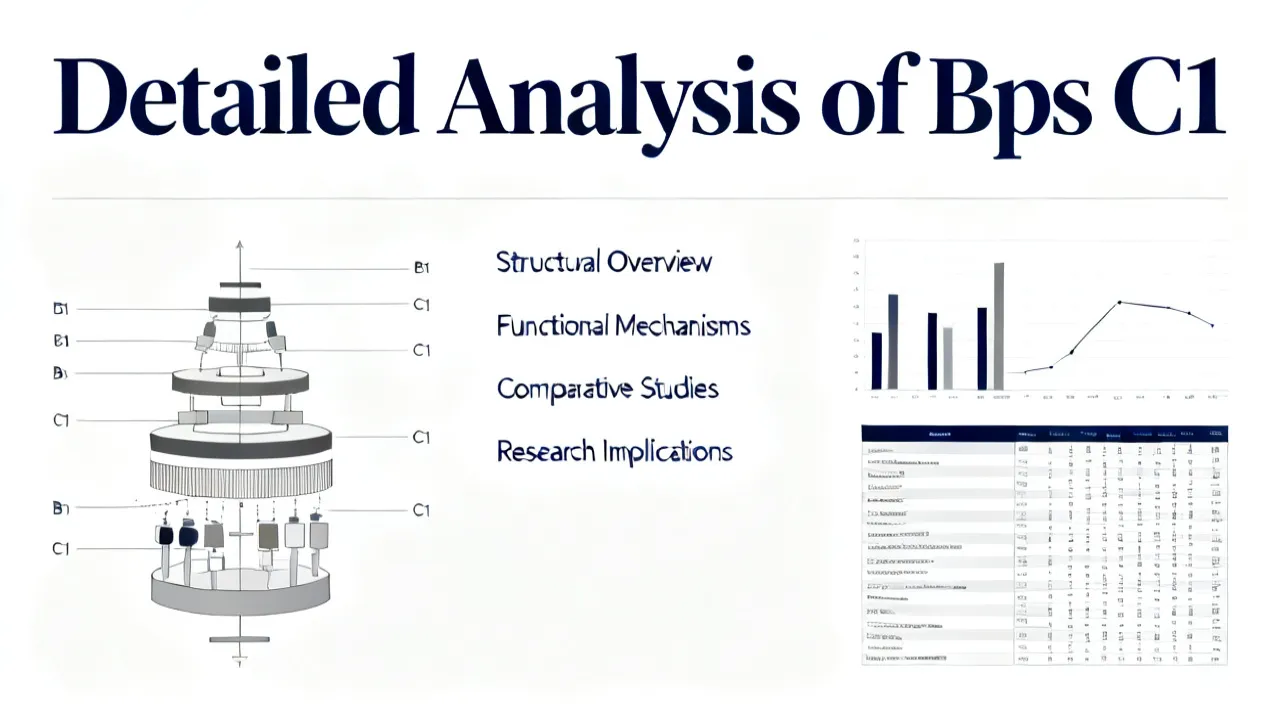
This article delves into the multifaceted applications of Bps C1, exploring its significance in various industries. Bps C1 refers to a class of products or technologies utilized in several sectors, and its prominent role in streamlining processes and enhancing operational efficiency is crucial for organizations aiming for competitive advantage.

This article delves deep into the pivotal role of Bps C1 in modern data systems, providing insights into how Bps C1 functions as a unit of measurement critical for assessing data transfer rates. Bps C1 stands as a measure of bits per second within communication networks, ensuring precise data flow evaluation. In a landscape where data transfer is foundational, the comprehension of Bps C1 is indispensable for industry professionals.