Payment processing solutions are integral to modern commerce, facilitating secure and efficient transactions for businesses worldwide. These systems handle the authorization, transaction, and fund transfer processes, ensuring a seamless experience for both merchants and consumers. From credit cards to digital wallets, they are the backbone of financial transactions, evolving rapidly with technology advances.
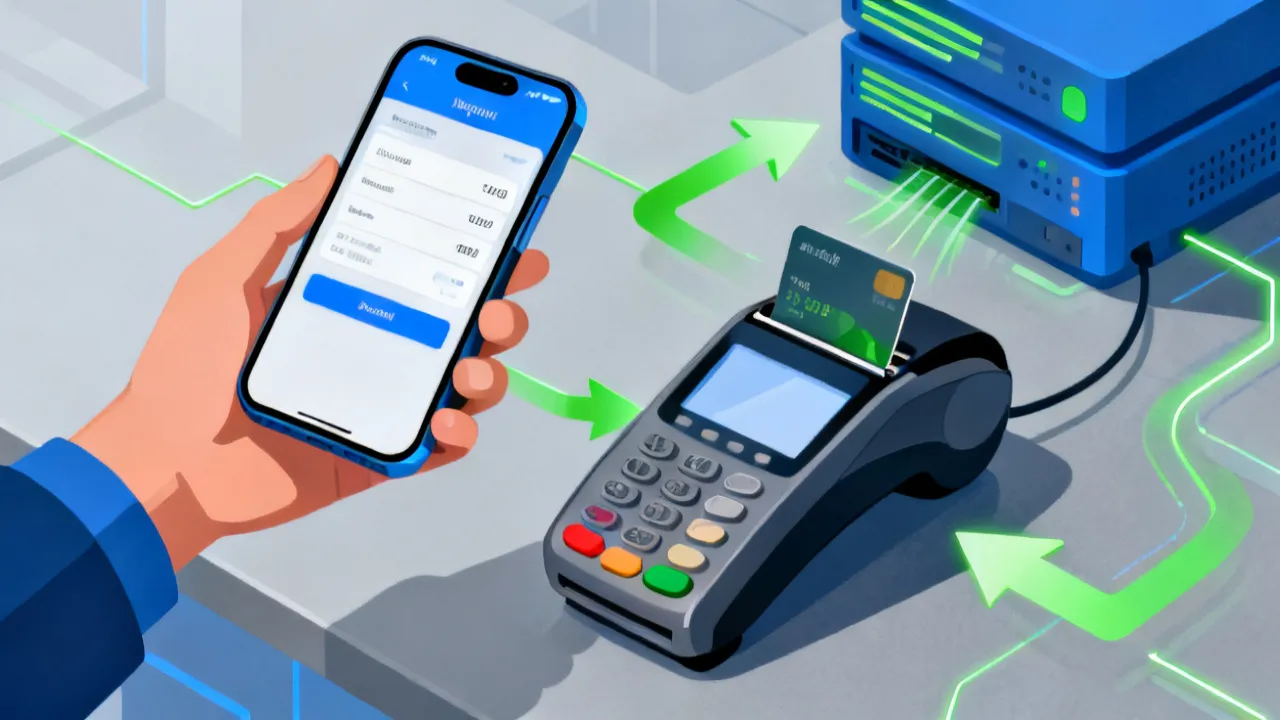
A payment gateway is a fundamental component in the realm of payment processing. Essentially, it acts as the middleman between the customer and the merchant during an online transaction. When a customer makes a purchase, the payment gateway encrypts the sensitive information, such as credit card numbers, ensuring the data is secure before it is sent for authorization. This initial step is crucial, as it safeguards both the buyer's private details and the merchant's interests.
Once the transaction data is encrypted, the gateway forwards the transaction information to the payment processor, which then communicates with the bank that issued the customer’s credit card. If the bank approves the transaction, the funds are held in the merchant’s account pending transfer. The entire process takes mere seconds, highlighting the efficiency of modern payment gateways.
Payment processors have a complex but essential duty in handling the logistical part of payment transactions. They build the bridge between the customer’s bank and the merchant’s financial institution. Upon receiving the transaction details from the payment gateway, payment processors validate the information and confirm whether the funds are available. This includes checking for sufficient balance and ensuring the card has not been compromised or flagged for fraud.
After validation, the payment processor either authorizes or declines the transaction and sends this status back through the payment gateway to complete the transaction process. The speed and accuracy of payment processors play a crucial role in customer satisfaction; delays or errors can lead to frustrations and potential abandoned carts. Therefore, selecting a reliable payment processor is pivotal for any organization.
A merchant account functions as a business’s bank account, specifically designed to hold funds from credit and debit card transactions. Unlike standard bank accounts, merchant accounts are tailored to handle high transaction volumes while complying with payment processing regulations. They serve as a bridge between the payment processor and the business’s bank account.
Once a transaction is approved, the funds are deposited in the merchant account. However, they are not immediately available for withdrawal; they typically remain in the merchant account for a couple of business days before they are transferred to the business's main bank account. It’s essential for businesses to understand the fees associated with merchant accounts, including transaction fees, monthly fees, and chargeback fees, which can impact overall profitability.
Security is a top priority in payment processing solutions, as the frequency and sophistication of cyber-attacks continue to rise. To combat potential breaches, modern payment solutions incorporate several layers of security.
Firstly, encryption techniques, such as SSL (Secure Socket Layer), are utilized to protect data during transactions. By encoding sensitive information, even if intercepted, the data remains unreadable to unauthorized parties.
Secondly, tokenization is a technique that replaces sensitive data elements with a non-sensitive equivalent, known as a token. This process ensures that actual card numbers are not stored or transmitted, further reducing the risk of data breaches.
Additionally, many payment processing solutions employ machine learning algorithms to identify and flag potentially fraudulent transactions in real-time. These AI systems analyze transaction patterns to distinguish between legitimate and suspicious activities, making it more difficult for fraudsters to succeed.
Mobile payment solutions have transformed the landscape of financial transactions, allowing consumers to pay using their smartphones or other mobile devices. By utilizing digital wallets like Apple Pay, Google Pay, and Samsung Pay, customers can make purchases quickly and effortlessly. Transactions can be facilitated through Near Field Communication (NFC) technology or QR codes, adding an extra layer of convenience.
The rise of mobile payments is a game-changer for businesses, creating new revenue streams and enhancing customer engagement. With data analytics, businesses can monitor purchasing habits, collect feedback, and tailor marketing strategies to customer preferences. Furthermore, as mobile wallets continue to gain popularity, they provide businesses the opportunity to offer loyalty programs and rewards, which can incentivize repeat purchases.
Integrating payment processing solutions with e-commerce platforms is crucial for businesses aiming to enhance their online presence. Major platforms such as Shopify, WooCommerce, and Magento come with built-in support for various payment processors, allowing merchants to set up payment systems efficiently.
Easy integration not only simplifies setting up an online store but enhances user experience, facilitating seamless transactions. Moreover, many e-commerce platforms offer additional tools, such as abandoned cart recovery features and customer relationship management (CRM) integration, which can further streamline operations and improve conversion rates.
As businesses increasingly look to expand globally, understanding international payment considerations becomes essential. Dealing with multiple currencies and payment methods can be complex and requires robust payment processing solutions capable of handling such complexities.
Businesses should consider working with payment processors that offer multi-currency support, allowing customers to pay in their local currency. This approach not only provides the convenience of currency conversion but also fosters trust and reduces abandonment rates. Additionally, being aware of local regulations, tax implications, and cross-border fees is vital to navigating international transactions effectively.
As technology progresses, the payment processing landscape will continue to evolve. Emerging technologies such as artificial intelligence, machine learning, and blockchain are poised to transform how payments are processed and secured. AI can optimize transaction routing, minimize chargebacks, and enhance customer service through chatbots and automated responses.
Blockchain technology presents exciting possibilities too. By providing a decentralized and transparent ledger of transactions, it can significantly minimize fraud and improve the overall efficiency of payment systems. Cryptocurrencies, while still in their infancy as mainstream payment methods, have gained traction and are likely to be adopted more broadly by consumers and businesses alike as regulatory frameworks improve.
Engaging with payment processing solutions comes with a suite of regulatory requirements that businesses must comply with to avoid hefty penalties. These regulations include the Payment Card Industry Data Security Standard (PCI DSS), which sets forth requirements for securely handling credit card information.
Companies must ensure that their payment processing solutions abide by these compliance mandates, as adherence is crucial for maintaining customer trust and protecting sensitive data. Regular security audits, staff training, and up-to-date transaction monitoring systems are essential steps in achieving compliance goals.
In conclusion, payment processing solutions are a critical element in the modern business landscape, enabling seamless financial transactions across various platforms and payment methods. From understanding the roles of payment gateways, processors, and merchant accounts to navigating security challenges and international complexities, businesses must carefully consider their payment processing needs and innovations in technology.
As we move into the future, the integration of emerging technologies will likely reshape how payments are processed, demanding businesses to adapt and evolve. Organizations that prioritize secure and efficient payment processing will not only foster customer trust and satisfaction but also drive their growth in an increasingly competitive environment.
Staying informed and choosing the right payment processing solutions will enable businesses to not only succeed in their immediate goals but also prepare for the dynamic changes anticipated in the digital economy.






Cash Management Services for Corporates help firms centralize liquidity, streamline payments, and improve visibility across banking relationships. This guide provides objective background on cash management, key service capabilities, and typical procurement considerations, focusing on corporate treasury needs such as payment controls, forecasting support, and operational governance.

Payment Processing Solutions are integral to modern commerce, facilitating seamless transactions between buyers and sellers. Deploying efficient systems allows businesses to handle payments securely and quickly across various platforms, providing a crucial backbone for ecommerce and traditional retail settings. This article delves into the nuances of payment processing, offering a thorough understanding for businesses looking to enhance their transaction capabilities.
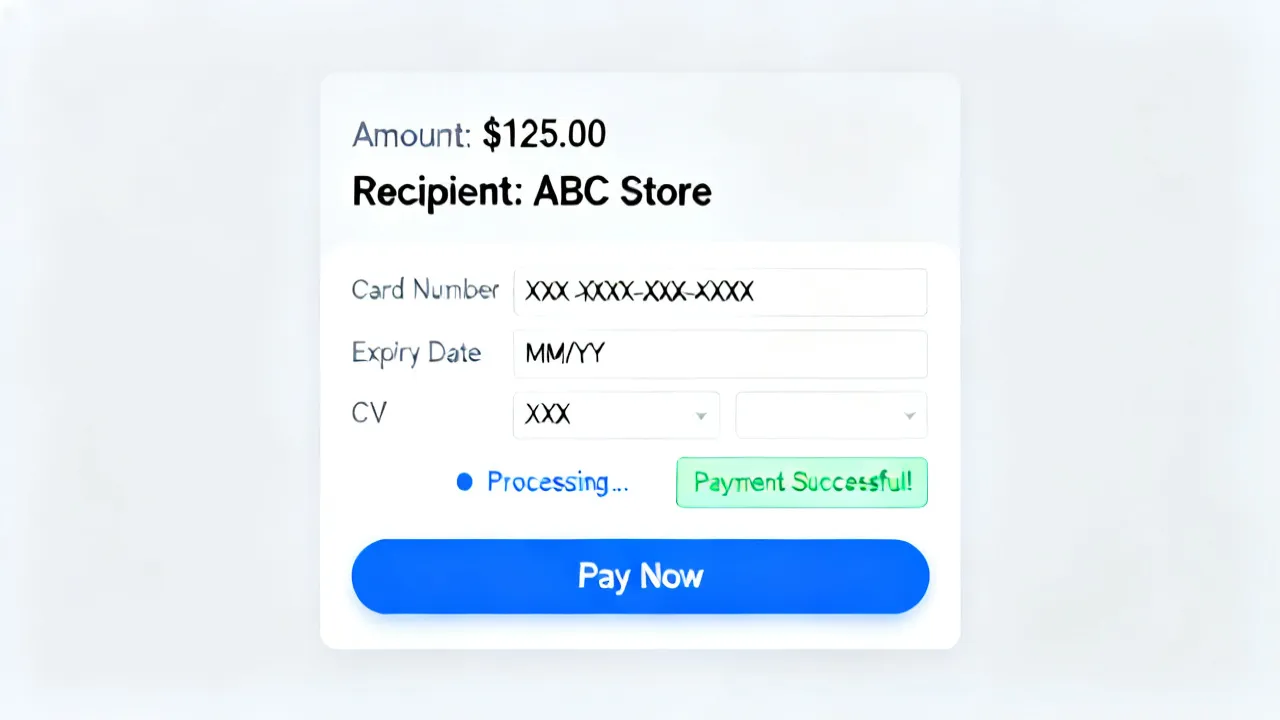
Payment processing solutions are essential systems enabling businesses to handle transactions electronically, facilitating seamless financial activity. With the growing shift towards online and contactless payments, understanding these solutions is vital for businesses to stay competitive and ensure customer satisfaction. This guide explores the intricacies of payment processing, dissecting its components and how businesses can leverage these systems to enhance efficiency and security.

This guide delves into the realm of Payment Processing Solutions, essential for businesses enduring the challenges of efficiently handling financial transactions. These solutions integrate secure, fast, and customer-friendly payment technologies that are crucial for modern commerce, whether in-store or online. By implementing tailored strategies, businesses can optimize operations, reduce costs, and enhance customer satisfaction through seamless payment experiences.
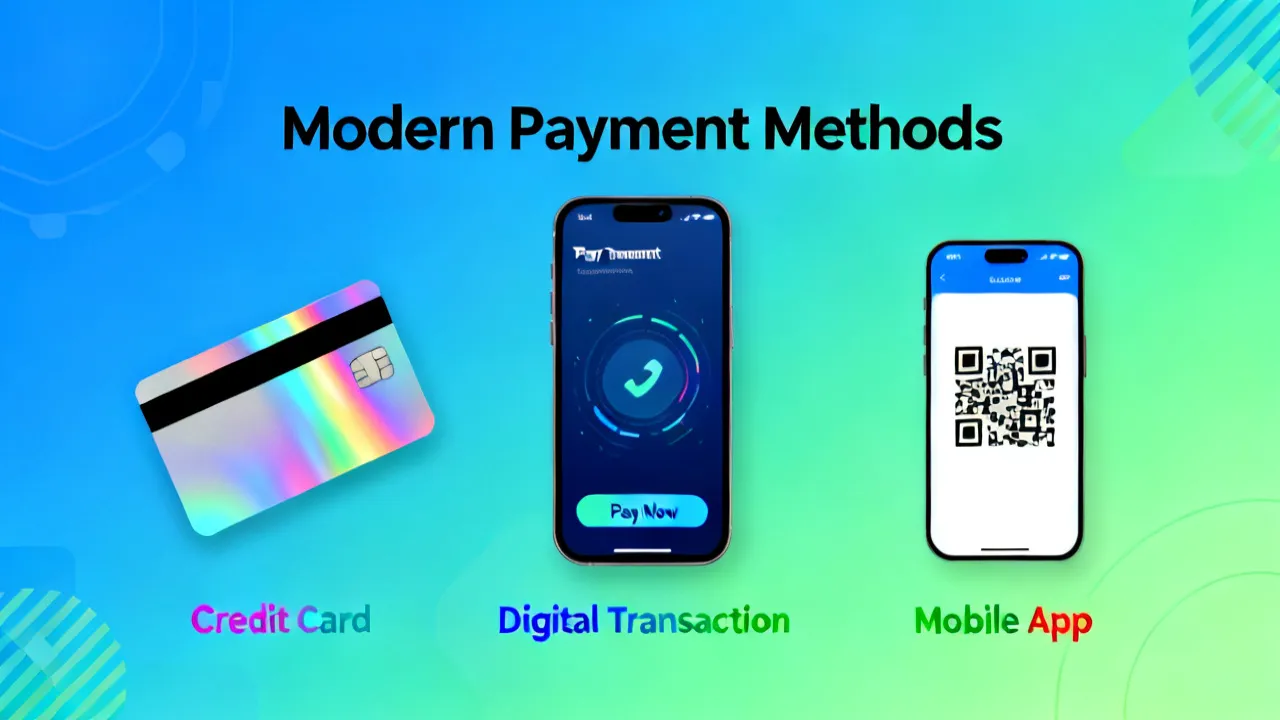
This article delves into the vital role of payment processing solutions in today’s business landscape, highlighting their importance in facilitating transactions between companies and customers. With advancements in technology, such solutions have evolved to ensure increased security, speed, and efficiency for businesses across various sectors.
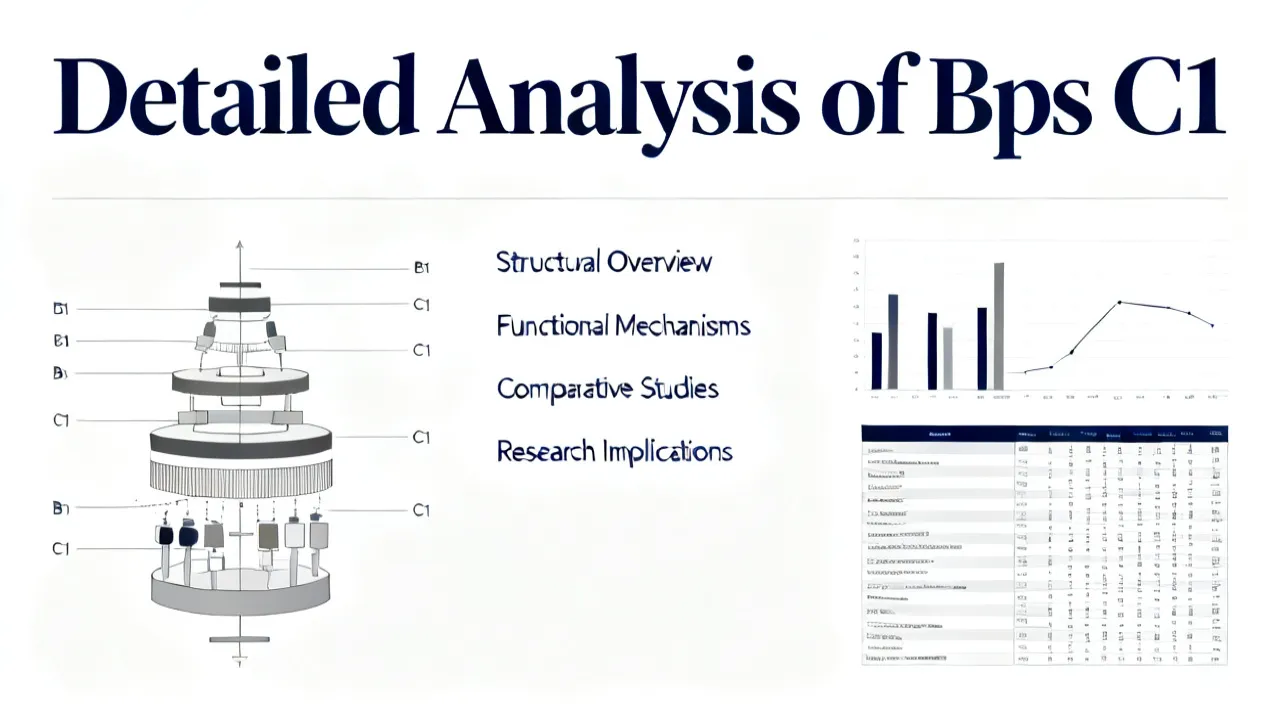
This article delves into the multifaceted applications of Bps C1, exploring its significance in various industries. Bps C1 refers to a class of products or technologies utilized in several sectors, and its prominent role in streamlining processes and enhancing operational efficiency is crucial for organizations aiming for competitive advantage.

This article delves deep into the pivotal role of Bps C1 in modern data systems, providing insights into how Bps C1 functions as a unit of measurement critical for assessing data transfer rates. Bps C1 stands as a measure of bits per second within communication networks, ensuring precise data flow evaluation. In a landscape where data transfer is foundational, the comprehension of Bps C1 is indispensable for industry professionals.

This article delves into payment processing solutions—integral components of contemporary commerce. These solutions facilitate the electronic exchange of funds, streamlining transactions between buyers and sellers. With a multitude of options available, including credit card processing, digital wallets, and mobile payments, the industry has evolved into a complex landscape, necessitating careful selection based on business needs and technological trends.