Nursing is a critical and in-demand profession, driven by factors such as an aging population, healthcare advancements, and the ongoing effects of the COVID-19 pandemic. The demand for nurses is particularly high in rural areas, while urban centers offer more opportunities but also face increased competition. To maximize earning potential, pursuing specialized nursing roles, advanced degrees, and certifications is essential. Specializations such as Nurse Anesthetists, Nurse Practitioners, and Nurse Midwives are particularly lucrative. Geographic location also plays a role in salary, with states like California and New York offering higher pay, although the cost of living is a key consideration. Additionally, enhancing your skillset with certifications and soft skills like communication and empathy can boost your marketability. Job offers should be evaluated based on the entire compensation package, and salary negotiations should not be overlooked. Finally, balancing job satisfaction with financial gains and embracing future technological trends will ensure long-term success in nursing.

The global demand for nurses has surged due to an aging population, healthcare advancements, and increased chronic illnesses. The COVID-19 pandemic further highlighted the critical role of nurses, making their contributions indispensable.
Some regions, particularly rural areas, experience a more acute nursing shortage. Urban centers might offer more job opportunities but also come with heightened competition. Researching geographic hotspots where your services are very needed can guide your career path effectively.
Pursuing specialized nursing roles can significantly boost your salary. Specializations such as Nurse Anesthetists, Nurse Practitioners, and Nurse Midwives are in high demand and come with lucrative compensation. Continuous education and certifications in these fields are essential investments.
An advanced degree such as a Master’s or Doctorate in Nursing not only positions you for leadership roles but also opens doors to higher-paying opportunities. Institutions often provide scholarships and flexible learning options to accommodate working nurses.
Salaries vary widely by region due to cost of living and demand. States like California, New York, and Massachusetts generally offer higher salaries for nurses. However, the cost of living in these areas is also higher, so weighing these factors is crucial for financial planning.
Certifications in areas like Critical Care, Pediatric, or Geriatric Nursing can make you more marketable and justify higher pay. Staying current with the latest medical practices and technologies is vital.
Competency in communication, empathy, and emotional intelligence are critical in nursing. Employers highly value these soft skills, and they can be pivotal during salary negotiations.
When assessing job offers, consider the entire compensation package, including health benefits, retirement plans, and continuing education opportunities. Factor in job stability and potential for professional growth.
Don’t shy away from negotiating your salary. Research industry standards and come prepared to discuss your experience, certifications, and any special skills that make you an asset to the employer.
Choosing an employer that aligns with your career goals and values is crucial. Hospitals, private clinics, schools, and home healthcare agencies offer different working environments and benefits. Prioritize workplaces that provide professional growth and job satisfaction.
High demand in nursing can lead to burnout if not managed properly. Seek employers who provide adequate support, manageable workloads, and emphasize work-life balance. Regular self-care and professional counseling can also help maintain your overall well-being.
Telehealth and advanced medical technologies are reshaping the nursing field. Embracing these changes and staying informed about tech trends can enhance your skillset and marketability.
Nurses with substantial experience and advanced education can transition to managerial or administrative roles, such as Chief Nursing Officer (CNO) or Nursing Director. These positions come with significant responsibility and increased salaries.
Understanding the evolving landscape of nursing demand and leveraging opportunities for higher salaries can significantly impact your career trajectory. Continuous learning, specialization, and strategic job choices will help you thrive in this essential and rewarding profession.






The Kti Survey plays a pivotal role in assessing various economic elements. It serves as a critical tool for stakeholders aiming to make informed decisions based on industry trends and consumer insights. This survey gathers data from multiple sectors to depict an accurate economic snapshot, aiding policymakers and business leaders in strategy formulation.

This article delves into the significance and impact of the KTI Survey, a critical tool utilized in assessing industry trends and business climate. Originating from established economic practices, the KTI Survey provides companies with insightful data to strategize effectively by analyzing various market segments. Its findings offer an empirical basis for decision-making, encouraging informed business actions.

Kti Surveys provide valuable insights into industry-specific trends and sentiments, serving as a crucial tool for businesses and stakeholders. This guide delves into the intricacies of Kti Surveys, exploring their methodology, application, and significance in shaping strategic decisions in various sectors. With an expert’s perspective, it unpacks how these surveys can influence market strategies and stakeholder decision-making processes.
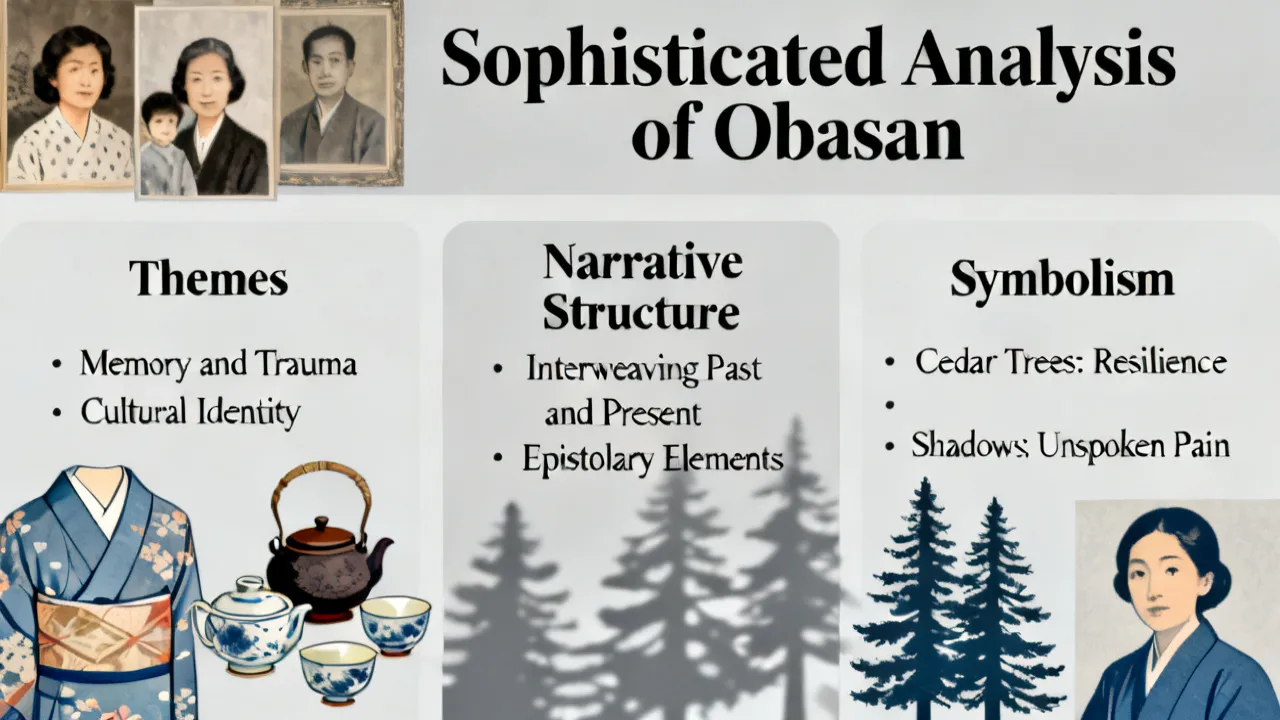
This article delves into the significance of "Obasan 2012," highlighting its journey and impact within its context. The term "Obasan" resonates deeply within cultural and societal studies due to its association with identity and heritage. This exploration provides a thorough examination of how "Obasan 2012" relates to these broader themes and its implications for future discourse.

Obasan by Joy Kogawa is a poignant novel exploring the harrowing experiences of Japanese Canadians during and post-World War II through the lenses of personal and collective trauma. This article examines the 2012 edition to reflect on its relevance and continued significance in contemporary discourse about identity, history, and resilience. Obasan is widely regarded as a crucial piece of Canadian literature, presenting a haunting yet vital narrative that educates and impacts generations.

This article delves into the intricacies of Nism Quora, a platform connecting users to a wealth of knowledge and insights. As an amalgamation of the NISM's financial expertise and Quora's community-driven framework, Nism Quora provides a unique digital environment for users to explore financial topics, seek expert opinions, and engage in thought-provoking discussions. Its role in modern financial education is expanding, offering a dynamic resource for both novice investors and seasoned professionals.

This article explores the advantages of online MBA programs, emphasizing their flexibility and accessibility for professionals looking to advance their careers without interrupting their work. It highlights that online programs offer the same curriculum as traditional MBA courses but with the added convenience of remote learning. The article also stresses the importance of choosing an accredited program to ensure quality and recognition by employers. Additionally, it provides practical tips for managing application fees, including researching programs thoroughly, applying early to reduce fees, and checking for fee waivers. To maximize the value of an MBA, the article suggests leveraging networking opportunities, utilizing career services, and engaging in continuous learning to stay competitive. Setting clear, achievable career goals is also key to making the most of an MBA. Overall, the article stresses that with careful planning, online MBA programs can significantly enhance professional growth and future career opportunities.

This article explores the growing demand for cybersecurity professionals, driven by the increasing prevalence of cyber threats. It emphasizes the importance of a strong educational foundation, suggesting that a bachelor’s degree in cybersecurity or related fields, combined with certifications like CISSP, CEH, and CompTIA Security+, is essential for success in the industry. Practical experience, such as internships and participation in cybersecurity labs, is also crucial for developing hands-on skills. The article stresses the importance of crafting a strong resume, networking with industry professionals, and staying updated with the latest cybersecurity trends. It highlights niche areas within cybersecurity, such as vulnerability assessment, security breach management, and cloud security, which can make professionals more marketable. To advance their careers, individuals are encouraged to pursue advanced degrees, develop leadership skills, and utilize job boards and LinkedIn for job searches. Overall, the article provides a comprehensive guide to building a successful career in cybersecurity.