This article provides an in-depth exploration of pursuing a psychology degree, highlighting its broad scope in understanding human behavior, mental processes, and societal influences. It outlines various specializations within psychology, such as clinical psychology, counseling psychology, industrial-organizational psychology, educational psychology, forensic psychology, and developmental psychology. Each specialization is detailed with its focus areas, such as treating mental health disorders, working in educational systems, or applying psychological principles within the legal system. The article also discusses diverse career opportunities for psychology graduates, ranging from healthcare and mental health services to academic research, business, and criminal justice roles. It offers valuable tips for succeeding in a psychology degree, such as engaging in practical experience, networking with professionals, pursuing advanced education when needed, staying adaptable, and honing communication skills. Ultimately, the article emphasizes that a psychology degree provides a strong foundation for a fulfilling career in various sectors, with opportunities for growth and impact.

A psychology degree offers a broad understanding of human behavior, mental processes, and societal influences. It provides a solid foundation in various topics such as cognitive processes, emotional regulation, social dynamics, and mental health.
Specializing in a particular area of psychology can help tailor your education to match your career goals. Here are some popular specializations:
Clinical psychology focuses on diagnosing and treating mental health disorders. If you are interested in working directly with patients to improve their mental wellbeing, this specialization might be ideal for you. You'll study psychopathology, psychological assessment, and therapeutic techniques.
Counseling psychologists help individuals address and resolve personal, social, and emotional issues. This specialization emphasizes strengths-based approaches and human development, often involving work in schools, private practices, or community organizations.
In this specialization, psychologists apply psychological principles to workplace environments to improve employee performance, satisfaction, and overall organizational efficiency. You’ll cover topics like human resources, workplace behavior, and organizational development.
Educational psychology focuses on how people learn and the top practices for teaching. If you're interested in improving educational systems and outcomes, specializing in this field can lead to careers in academic research, school counseling, or educational policy.
Forensic psychology involves applying psychological principles within the legal and criminal justice system. Typically, this specialization includes working with law enforcement, providing expert testimony, or conducting assessments of criminal behaviors.
This specialization examines how individuals grow and change throughout their lives. Developmental psychologists work in various settings, including research institutions, schools, and healthcare facilities, studying a range of developmental stages from infancy to old age.
A psychology degree offers numerous career opportunities across various fields. Here are some potential paths:
Many psychology graduates work in healthcare settings, such as hospitals and clinics, offering therapeutic services to individuals and groups. Roles include clinical psychologists, psychiatric technicians, and mental health counselors.
If you are passionate about expanding the academic field of psychology, consider a career in research and academia. You could become a professor, research scientist, or academic advisor, conducting studies and teaching the next generation of psychologists.
Businesses and corporations often seek psychology graduates for roles in human resources, organizational development, and marketing. Your understanding of human behavior can be a valuable asset in enhancing workforce productivity and customer engagement.
Educational psychologists and school counselors play critical roles in addressing the psychological needs of students. Opportunities abound in K-12 schools, universities, and educational consultancy firms.
Forensic psychologists work closely with law enforcement agencies, courts, and correctional institutions. Careers range from criminal profilers to jury consultants, assisting in understanding criminal behavior and improving the justice system's functioning.
Gaining hands-on experience through internships, volunteer work, or research assistantships is invaluable. Practical experience not only enriches your learning but also makes you a competitive candidate for future job opportunities.
Build connections with professors, industry professionals, and fellow students. Networking can lead to mentorship, job referrals, and collaborative opportunities in your chosen specialization.
Many psychology careers, especially those in clinical and counseling fields, require advanced degrees. Consider obtaining a master's or doctoral degree to meet licensure requirements and deepen your expertise.
Psychology is an ever-evolving field. Staying informed about the latest research and trends ensures that your knowledge remains current and relevant. Adaptability will help you navigate changes in the job market and advancements in psychological practices.
Effective communication is crucial for psychologists. Whether you're writing research papers, counseling clients, or presenting findings, honing your communication skills will significantly enhance your professional success.
A psychology degree offers a wealth of specializations and career opportunities. By understanding your options, gaining practical experience, and pursuing advanced education, you can carve out a fulfilling and impactful career in psychology. Whether you're drawn to clinical work, research, or corporate environments, the insights and skills you develop during your psychology degree will serve as a strong foundation for your future endeavors.






The Kti Survey plays a pivotal role in assessing various economic elements. It serves as a critical tool for stakeholders aiming to make informed decisions based on industry trends and consumer insights. This survey gathers data from multiple sectors to depict an accurate economic snapshot, aiding policymakers and business leaders in strategy formulation.

This article delves into the significance and impact of the KTI Survey, a critical tool utilized in assessing industry trends and business climate. Originating from established economic practices, the KTI Survey provides companies with insightful data to strategize effectively by analyzing various market segments. Its findings offer an empirical basis for decision-making, encouraging informed business actions.

Kti Surveys provide valuable insights into industry-specific trends and sentiments, serving as a crucial tool for businesses and stakeholders. This guide delves into the intricacies of Kti Surveys, exploring their methodology, application, and significance in shaping strategic decisions in various sectors. With an expert’s perspective, it unpacks how these surveys can influence market strategies and stakeholder decision-making processes.
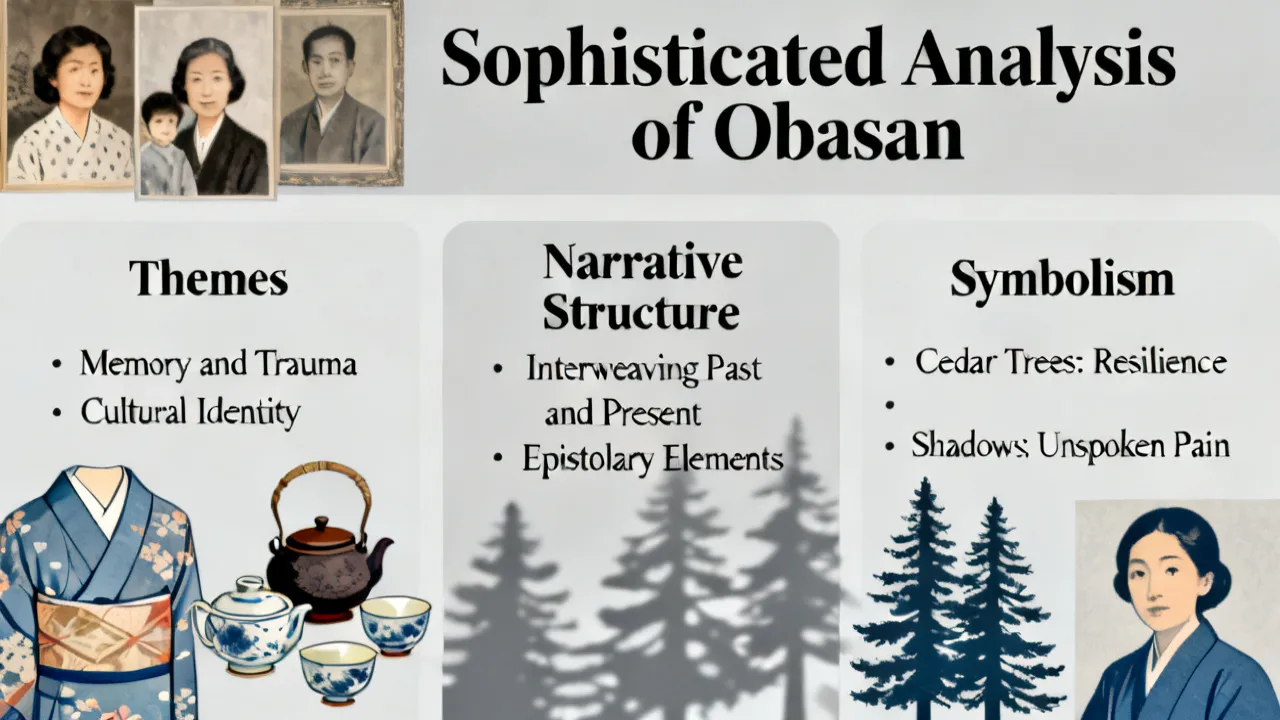
This article delves into the significance of "Obasan 2012," highlighting its journey and impact within its context. The term "Obasan" resonates deeply within cultural and societal studies due to its association with identity and heritage. This exploration provides a thorough examination of how "Obasan 2012" relates to these broader themes and its implications for future discourse.

Obasan by Joy Kogawa is a poignant novel exploring the harrowing experiences of Japanese Canadians during and post-World War II through the lenses of personal and collective trauma. This article examines the 2012 edition to reflect on its relevance and continued significance in contemporary discourse about identity, history, and resilience. Obasan is widely regarded as a crucial piece of Canadian literature, presenting a haunting yet vital narrative that educates and impacts generations.

This article delves into the intricacies of Nism Quora, a platform connecting users to a wealth of knowledge and insights. As an amalgamation of the NISM's financial expertise and Quora's community-driven framework, Nism Quora provides a unique digital environment for users to explore financial topics, seek expert opinions, and engage in thought-provoking discussions. Its role in modern financial education is expanding, offering a dynamic resource for both novice investors and seasoned professionals.

This article explores the advantages of online MBA programs, emphasizing their flexibility and accessibility for professionals looking to advance their careers without interrupting their work. It highlights that online programs offer the same curriculum as traditional MBA courses but with the added convenience of remote learning. The article also stresses the importance of choosing an accredited program to ensure quality and recognition by employers. Additionally, it provides practical tips for managing application fees, including researching programs thoroughly, applying early to reduce fees, and checking for fee waivers. To maximize the value of an MBA, the article suggests leveraging networking opportunities, utilizing career services, and engaging in continuous learning to stay competitive. Setting clear, achievable career goals is also key to making the most of an MBA. Overall, the article stresses that with careful planning, online MBA programs can significantly enhance professional growth and future career opportunities.

This article explores the growing demand for cybersecurity professionals, driven by the increasing prevalence of cyber threats. It emphasizes the importance of a strong educational foundation, suggesting that a bachelor’s degree in cybersecurity or related fields, combined with certifications like CISSP, CEH, and CompTIA Security+, is essential for success in the industry. Practical experience, such as internships and participation in cybersecurity labs, is also crucial for developing hands-on skills. The article stresses the importance of crafting a strong resume, networking with industry professionals, and staying updated with the latest cybersecurity trends. It highlights niche areas within cybersecurity, such as vulnerability assessment, security breach management, and cloud security, which can make professionals more marketable. To advance their careers, individuals are encouraged to pursue advanced degrees, develop leadership skills, and utilize job boards and LinkedIn for job searches. Overall, the article provides a comprehensive guide to building a successful career in cybersecurity.