The Armed Services Vocational Aptitude Battery (ASVAB) is a critical test for individuals seeking to join the U.S. military. It measures a candidate's strengths, weaknesses, and potential success in various military roles. Your ASVAB score not only determines eligibility for enlistment but also influences the types of career opportunities available within the military. To succeed, it’s essential to start preparing early by creating a study plan and identifying weak areas through practice tests. Consistent study using quality resources like study guides and online materials is key. Focus on strengthening skills in math, science, vocabulary, and technical knowledge for sections like Arithmetic Reasoning, Word Knowledge, Mechanical Comprehension, and Electronics Information. Regular practice tests help improve time management and test-taking strategies. A good ASVAB score can open doors to a wide range of military careers, providing opportunities for growth, education, and long-term success.

The Armed Services Vocational Aptitude Battery (ASVAB) is a comprehensive test required for anyone wishing to join the United States military. It measures your strengths, weaknesses, and potential for future success in various military occupations.
Your ASVAB score determines your eligibility for enlistment and can influence the type of roles available to you in the military. Therefore, achieving a high score is vital for accessing a wider range of career opportunities.
Begin your ASVAB preparation well in advance. Create a study schedule that allocates time for each subject area tested on the ASVAB. Consistency is key, so dedicate a few hours each week to studying.
Take practice tests early in your preparation to identify which subjects require more focus. The ASVAB consists of nine subtests, so understanding your weak areas can help you prioritize your study time effectively.
Invest in reliable study guides and preparation books specifically designed for the ASVAB. Resources such as “ASVAB For Dummies” or Kaplan’s ASVAB Prep are excellent starting points. Additionally, utilize online resources like ASVAB tutoring websites and practice tests.
Take full-length, timed practice tests regularly. This not only helps you get used to the test format but also improves your time-management skills. Review your results to identify areas for improvement and track your progress over time.
Strengthen your foundational math skills. Focus on basic algebra, geometry, and arithmetic concepts. Practice solving word problems and familiarize yourself with common mathematical terms and operations.
Enhance your vocabulary by reading diverse materials such as books, articles, and essays. Practice comprehension exercises to improve your ability to understand and analyze written information efficiently.
Brush up on basic concepts in biology, chemistry, physics, and earth sciences. Resources like Khan Academy can provide helpful video tutorials and practice quizzes on these topics.
For these technical sections, study the basic principles of mechanics, electricity, and electronic systems. Utilize visual aids and diagrams to deepen your understanding of how different systems work.
If you are not familiar with automotive and shop terminology, consider taking a hands-on approach. Visit auto shops, watch instructional videos, or even take a vocational course to gain practical knowledge.
Consistency is crucial in your study routine. Keep yourself motivated by setting small, achievable goals and rewarding yourself for progress made. Join study groups or forums to stay engaged and share knowledge with fellow test-takers.
Ensure you are well-rested, hydrated, and nourished before taking the test. Your physical state significantly impacts your ability to concentrate and perform well on the exam.
Answer easier questions first to secure quick points, then move on to more challenging ones. Keep an eye on the clock but avoid rushing; accuracy is just as important as speed.
After receiving your scores, meet with a military recruiter to discuss which career paths align with your strengths and interests. They can provide valuable guidance on roles that suit your skills and future aspirations.
High ASVAB scores open doors to a variety of military occupational specialties (MOS). Research different MOS options and consider job roles that provide good benefits, such as transferable skills and potential for further education and training.
A strong performance on the ASVAB is a stepping stone to a successful military career. Utilize these practice tips and strategies to enhance your preparation, achieve a high score, and open up a world of opportunities in the United States military. Good luck on your journey to serving your country!






The Kti Survey plays a pivotal role in assessing various economic elements. It serves as a critical tool for stakeholders aiming to make informed decisions based on industry trends and consumer insights. This survey gathers data from multiple sectors to depict an accurate economic snapshot, aiding policymakers and business leaders in strategy formulation.

This article delves into the significance and impact of the KTI Survey, a critical tool utilized in assessing industry trends and business climate. Originating from established economic practices, the KTI Survey provides companies with insightful data to strategize effectively by analyzing various market segments. Its findings offer an empirical basis for decision-making, encouraging informed business actions.

Kti Surveys provide valuable insights into industry-specific trends and sentiments, serving as a crucial tool for businesses and stakeholders. This guide delves into the intricacies of Kti Surveys, exploring their methodology, application, and significance in shaping strategic decisions in various sectors. With an expert’s perspective, it unpacks how these surveys can influence market strategies and stakeholder decision-making processes.
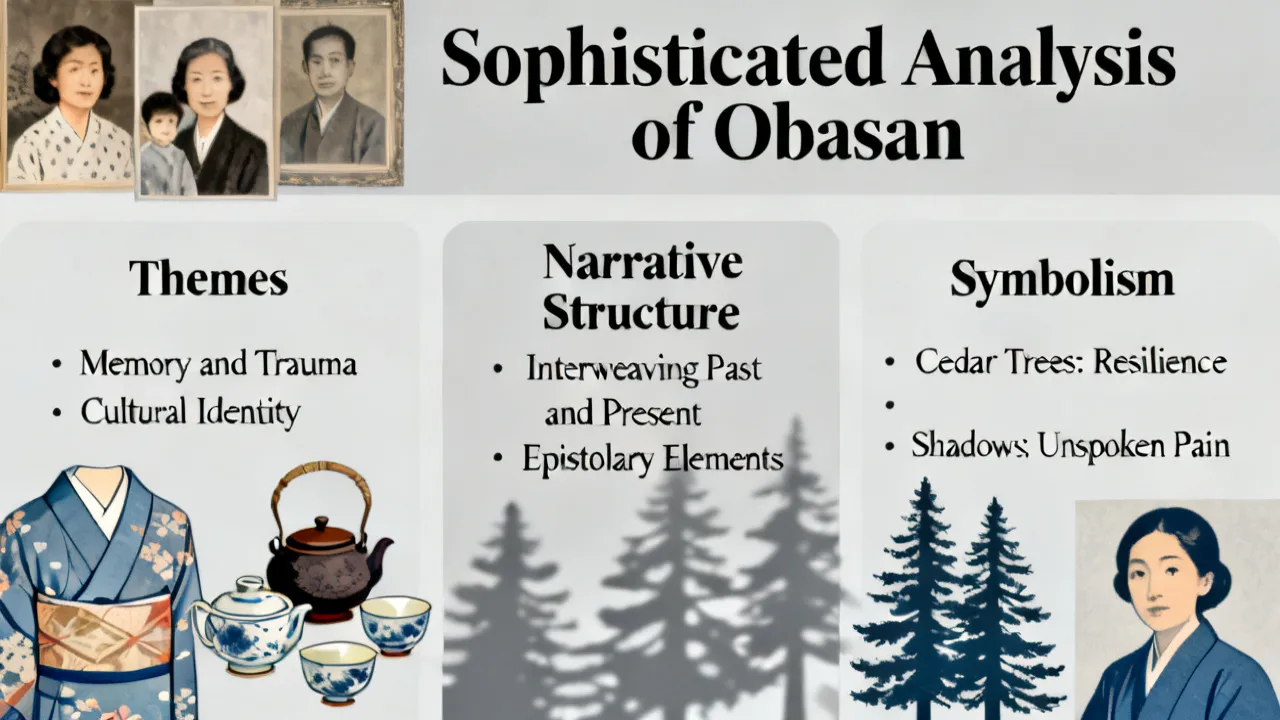
This article delves into the significance of "Obasan 2012," highlighting its journey and impact within its context. The term "Obasan" resonates deeply within cultural and societal studies due to its association with identity and heritage. This exploration provides a thorough examination of how "Obasan 2012" relates to these broader themes and its implications for future discourse.

Obasan by Joy Kogawa is a poignant novel exploring the harrowing experiences of Japanese Canadians during and post-World War II through the lenses of personal and collective trauma. This article examines the 2012 edition to reflect on its relevance and continued significance in contemporary discourse about identity, history, and resilience. Obasan is widely regarded as a crucial piece of Canadian literature, presenting a haunting yet vital narrative that educates and impacts generations.

This article delves into the intricacies of Nism Quora, a platform connecting users to a wealth of knowledge and insights. As an amalgamation of the NISM's financial expertise and Quora's community-driven framework, Nism Quora provides a unique digital environment for users to explore financial topics, seek expert opinions, and engage in thought-provoking discussions. Its role in modern financial education is expanding, offering a dynamic resource for both novice investors and seasoned professionals.

This article explores the advantages of online MBA programs, emphasizing their flexibility and accessibility for professionals looking to advance their careers without interrupting their work. It highlights that online programs offer the same curriculum as traditional MBA courses but with the added convenience of remote learning. The article also stresses the importance of choosing an accredited program to ensure quality and recognition by employers. Additionally, it provides practical tips for managing application fees, including researching programs thoroughly, applying early to reduce fees, and checking for fee waivers. To maximize the value of an MBA, the article suggests leveraging networking opportunities, utilizing career services, and engaging in continuous learning to stay competitive. Setting clear, achievable career goals is also key to making the most of an MBA. Overall, the article stresses that with careful planning, online MBA programs can significantly enhance professional growth and future career opportunities.

This article explores the growing demand for cybersecurity professionals, driven by the increasing prevalence of cyber threats. It emphasizes the importance of a strong educational foundation, suggesting that a bachelor’s degree in cybersecurity or related fields, combined with certifications like CISSP, CEH, and CompTIA Security+, is essential for success in the industry. Practical experience, such as internships and participation in cybersecurity labs, is also crucial for developing hands-on skills. The article stresses the importance of crafting a strong resume, networking with industry professionals, and staying updated with the latest cybersecurity trends. It highlights niche areas within cybersecurity, such as vulnerability assessment, security breach management, and cloud security, which can make professionals more marketable. To advance their careers, individuals are encouraged to pursue advanced degrees, develop leadership skills, and utilize job boards and LinkedIn for job searches. Overall, the article provides a comprehensive guide to building a successful career in cybersecurity.