This guide delves into the complex world of B2B remittance, exploring its significance in facilitating international business transactions. B2B remittance refers to the transfer of funds between businesses across borders, crucial for maintaining smooth global trade operations. Understanding this process is vital for companies striving for efficient and transparent financial transactions.
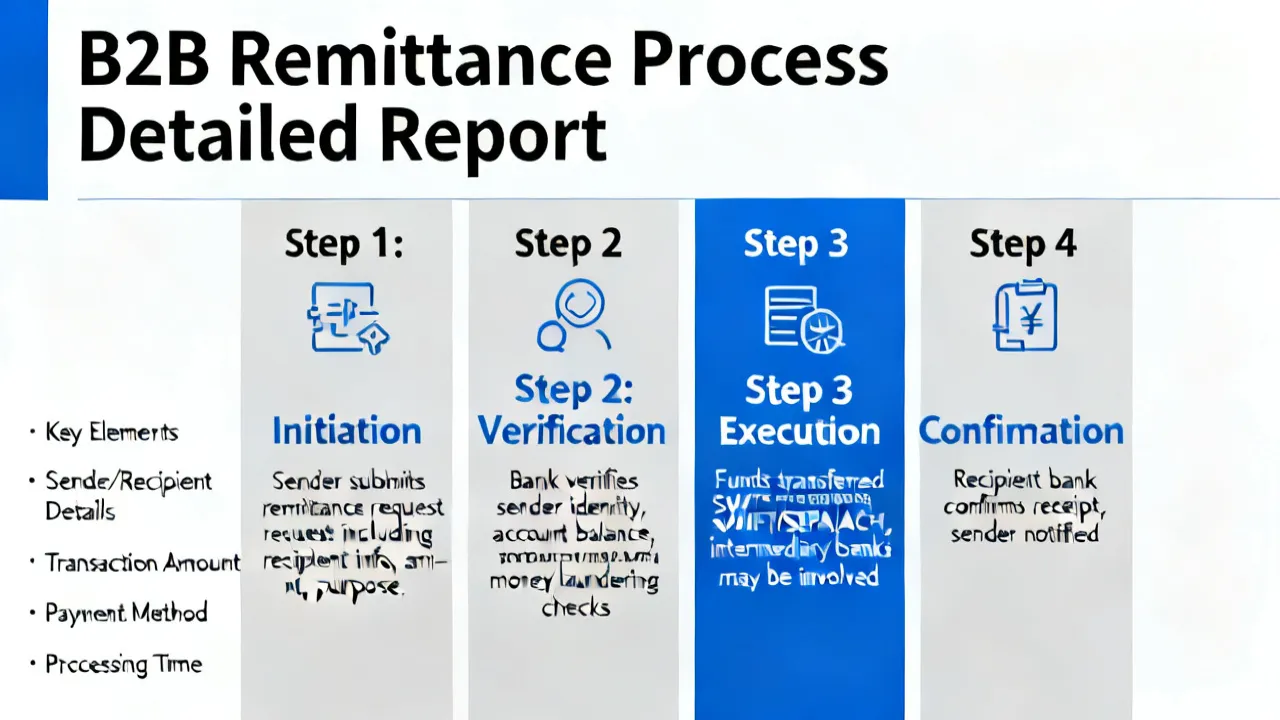
In the evolving landscape of international finance, B2B Remittance stands as a cornerstone for businesses engaged in cross-border transactions. This system enables seamless financial interactions between companies worldwide, enhancing global trade efficiency. By shedding light on the intricacies of B2B remittance, businesses can optimize their financial strategies.
B2B remittance refers to the transfer of funds between businesses, particularly across international borders. This mechanism serves as a critical component of trade by ensuring companies can conduct financial transactions efficiently. It includes various methods of transferring payments, from wire transfers to utilizing digital payment platforms and traditional bank checks.
The importance of B2B remittance cannot be overstated. It facilitates the transfer of funds between businesses across different countries, ensuring smooth operations and supporting international trade. The rise of digital banking and online financial platforms has further simplified these transactions, reducing delays and increasing transparency. Furthermore, these remittance transactions are vital for managing supplier payments, settling accounts payable, and supporting operational costs across borders.
The benefits associated with B2B remittance are numerous and can significantly augment a company's operational capacity. Some of the most notable advantages include:
Choosing the right bank account is crucial for efficient B2B remittance. Various banks offer accounts with attractive bonuses and terms, which can be leveraged by businesses to maximize their financial benefits. Below is a comparative table detailing some major banks offering compelling account options for this purpose:
| Bank Name | Account Type & Bonus Conditions | Bonus Amount |
|---|---|---|
| Bank of America | Personal Checking Account; Deposit at least $2,000 in direct deposits within 90 days | $200 |
| Chase Bank | Total Checking Account; Make at least one direct deposit of any amount within 90 days | $300 |
| Citibank | Regular Checking Account; Complete two direct deposits totaling $6,000 or more within 90 days | $450 |
| Wells Fargo | Everyday Checking Account; Deposit a total of $1,000 in direct deposits within 90 days | $300 |
| SoFi Bank | Checking and Savings Account; Deposit $1,000 for a $50 bonus or $5,000 for a $300 bonus | $50–$300 |
| Capital One Bank | 360 Checking Account; Use promo code REWARD250; make two $500+ direct deposits within 75 days | $250 |
Source: Visit Bank of America, Chase Bank, Citibank, Wells Fargo, SoFi Bank, Capital One Bank.
Technology has revolutionized the way businesses engage in B2B remittances. Innovations such as blockchain technology and smart contracts have introduced new levels of security and efficiency. These digital solutions provide added layers of transparency, ensuring that remittances are not only quick but also safe from fraud. Moreover, automating payment processes through software integration can significantly reduce human errors and increase overall operational efficiency.
Despite its numerous advantages, B2B remittance is not without its challenges. Businesses often face various obstacles that can hinder efficient transactions. Some of these challenges include:
Mitigating these challenges requires strategic planning and collaboration with trusted financial partners who understand the complexities of international commerce.
What is B2B remittance?
B2B remittance refers to the transfer of funds between businesses, particularly across international borders. It facilitates global trade by ensuring companies can conduct financial transactions efficiently.
How does B2B remittance benefit businesses?
It eradicates the complexities of currency exchange, reduces delays in payments, and enhances the transparency of transactions, making it easier for companies to manage their international operations. Furthermore, timely remittance can help businesses maintain their relationships with suppliers and partners, as reliable payment schedules reflect business integrity.
Are there any risks associated with B2B remittance?
As with any financial transaction, risks involve exchange rate fluctuations, regulatory compliance, and cybersecurity threats. Choosing trusted financial institutions can mitigate these risks. Additionally, companies should stay informed about changing regulations in the countries they are operating within to ensure compliance and avoid potential fines.
To effectively navigate the landscape of B2B remittance, businesses should adopt best practices that promote efficiency and security. Consider the following strategies:
B2B remittance is pivotal in maintaining the seamless operation of international businesses. By understanding the mechanisms behind these transactions and leveraging banking bonuses, companies can optimize their global trade processes. The integration of technology, awareness of challenges, and the implementation of best practices collectively position businesses to thrive in an increasingly interconnected market.
Disclaimer: The information presented here is derived from online resources as of October 2023 and is subject to change. Readers are advised to verify data on official bank websites or contact customer service for the very current information. Additionally, certain rewards might only be available in specific regions or have other limitations.






Cash Management Services for Corporates help organizations optimize liquidity, streamline payments, and improve visibility into cash movements. This guide explains what cash management typically covers—such as account structures, digital access, and controls—while objectively reviewing major US bank offerings and account-opening incentives. You’ll also find step-by-step bonus qualification guidance, plus FAQs and sourcing notes.

This guide explains how Cash Management Services for Corporates can streamline liquidity, improve visibility, and reduce operational friction through Bank Accounts Online workflows. It outlines how major U.S. banks structure checking products, direct-deposit bonus conditions, and practical steps for opening accounts, while keeping risk controls and compliance considerations in view.

Cash Management Services for Corporates help streamline payment workflows, liquidity visibility, and risk controls across bank accounts. This guide explains the objective role of cash management and how bank accounts online support reconciliation and forecasting, with an expert lens. It also reviews major US banks’ checking account bonus conditions and links, then outlines step-by-step bonus fulfillment, limitations, and compliance considerations.

Cash management services for corporates help organizations streamline incoming and outgoing payments, improve visibility, and reduce operational risk. This guide explains how treasury and finance leaders typically structure bank account strategies and controls in the U.S., what to evaluate when choosing bank accounts online, and how account-opening promotions are commonly earned through direct-deposit conditions.

Cash Management Services for Corporates help organizations centralize visibility, streamline payments, and strengthen control over working capital. This guide explains how cash management and online bank account access fit corporate treasury operations, why account structures matter, and how bonus-linked onboarding at major US banks typically works. It also includes a comparison table, step-by-step bonus process, and expert FAQs.

Cash management services for corporates help firms consolidate payments, optimize bank account structures, and manage liquidity with tighter controls. This guide outlines how major US banks support online account management and corporate cash workflows, then compares current account-opening reward conditions from public sources. It also provides a step-by-step approach to track eligibility, comply with terms, and reduce operational risk.
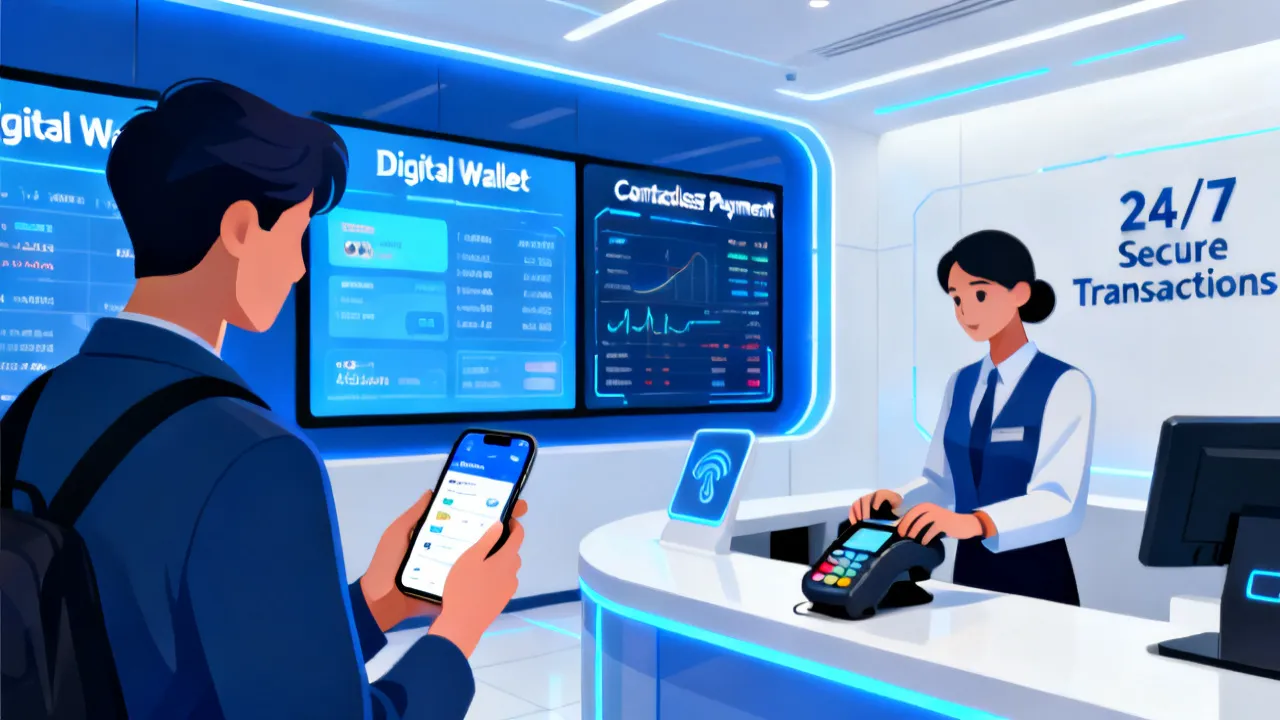
This guide explores the key aspects of payment processing solutions in the finance sector, focusing on online bank accounts that offer various bonuses. Payment processing solutions are integral to modern financial systems, handling transactions securely and efficiently. With evolving technology, these solutions have become pivotal for personal and business finances, offering convenience and security to users globally.
This guide delves into the lucrative offers available from major U.S. banks for opening personal checking accounts. Online bank accounts play a pivotal role in modern finance, offering convenience and ease of access. With the rise of digital banking, institutions like Bank of America, Chase, and others feature promotional bonuses to attract new customers, providing both financial incentives and enhanced banking services.