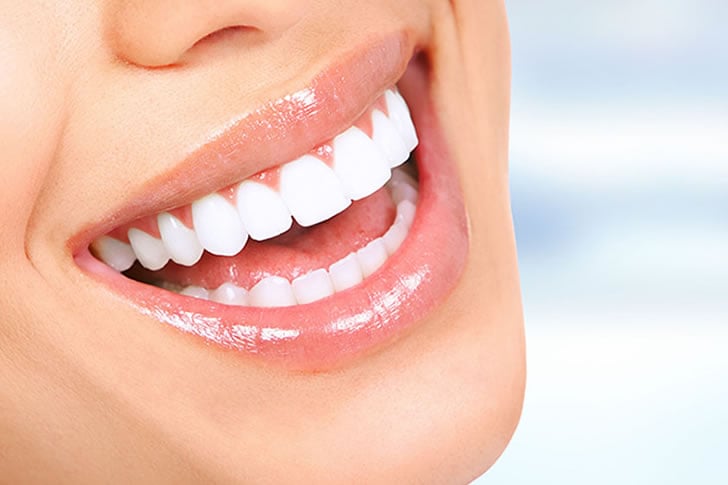
A bright, white smile is often associated with health, confidence, and youth. Over the years, as people have become more conscious of their appearance, teeth whitening has evolved from a luxury procedure to a popular cosmetic treatment. With a wide range of options available—from over-the-counter products to professional treatments—the choices can be overwhelming. Understanding the different methods of teeth whitening, their costs, and professional tips can help individuals make informed decisions about which option best suits their needs. This guide aims to provide an in-depth look at teeth whitening, covering the factors that contribute to teeth discoloration, the various whitening treatments available, and the costs involved in achieving that dazzling smile. Whether you're considering at-home solutions or opting for a professional treatment, you'll find valuable insights on the pros, cons, and tips from dental professionals to ensure a safe and effective whitening experience.
Understanding Teeth Discoloration
Before diving into the specifics of whitening methods, it’s important to understand why teeth become discolored in the first place. Teeth discoloration can be caused by a number of factors, which can be broadly categorized into two types: intrinsic and extrinsic staining.
Both types of staining can be addressed through various whitening methods, but the level of effectiveness often depends on the nature and severity of the discoloration.
Whitening Methods: At-Home vs. Professional Treatments
There are several ways to whiten teeth, ranging from over-the-counter products to professional dental treatments. Here’s a breakdown of the different options:
For many people, the easiest and most affordable option is to purchase over-the-counter (OTC) teeth whitening products. These are readily available at drugstores and online, and they come in a variety of formats, including whitening toothpaste, strips, gels, and trays. These products typically contain mild bleaching agents like hydrogen peroxide or carbamide peroxide, which help break down the stains on the enamel.
For more significant whitening results, many people opt for professional teeth whitening treatments offered by dentists. These treatments are often more expensive but tend to be more effective at producing noticeable, long-lasting results. The most common professional treatments include in-office bleaching, at-home trays provided by the dentist, and laser whitening.
In-office whitening involves a higher concentration of bleaching agents and is typically performed under the supervision of a dentist. One of the most popular in-office treatments is Zoom! Whitening, which uses a light-activated gel to accelerate the whitening process. The procedure typically lasts around 60 to 90 minutes.
At-home whitening kits prescribed by a dentist often come with custom-made trays that fit over your teeth, allowing for the application of bleaching gel at home. These kits are generally more effective than over-the-counter options due to the higher concentration of bleaching agents.
Laser teeth whitening, also known as Zoom! Laser Whitening, is a procedure where a bleaching gel is applied to the teeth, and then a laser light is used to activate the gel, speeding up the whitening process. This technique is known for its quick results and effectiveness.
Some people prefer to avoid chemical whitening agents altogether and turn to natural remedies. These methods often rely on ingredients like baking soda, coconut oil, or activated charcoal, which claim to help whiten teeth by removing surface stains. However, while these methods may provide some improvement, they are generally not as effective as professionally administered treatments.
Cost of Teeth Whitening
The cost of teeth whitening varies significantly depending on the method you choose. Here is a general breakdown of the costs involved:
While OTC products are budget-friendly, professional whitening treatments tend to be more expensive. However, they often provide quicker and more noticeable results. The overall cost will depend on the severity of your staining and how long you wish to maintain the results.
Professional Tips for Successful Whitening
To maximize your whitening results and maintain a healthy smile, consider these professional tips:
Conclusion
Achieving a brighter smile can be an exciting and confidence-boosting experience, but it’s important to choose the right teeth whitening method for your specific needs and budget. Whether you choose at-home products, professional treatments, or natural remedies, understanding the pros and cons of each option will help you make an informed decision. Additionally, following professional tips for maintaining your results can ensure that your smile stays radiant for years to come.




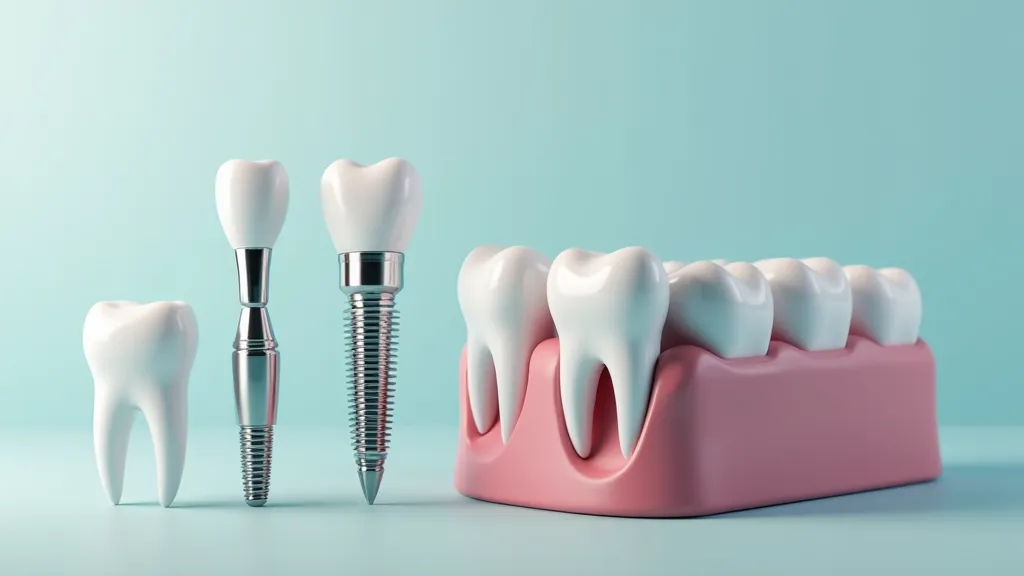
This article explores good dental implants, their benefits, costs, and resources available in English, Spanish, and Portuguese-speaking countries. We provide insights into low-cost options, detailed comparisons, and expert recommendations for those considering dental implants.
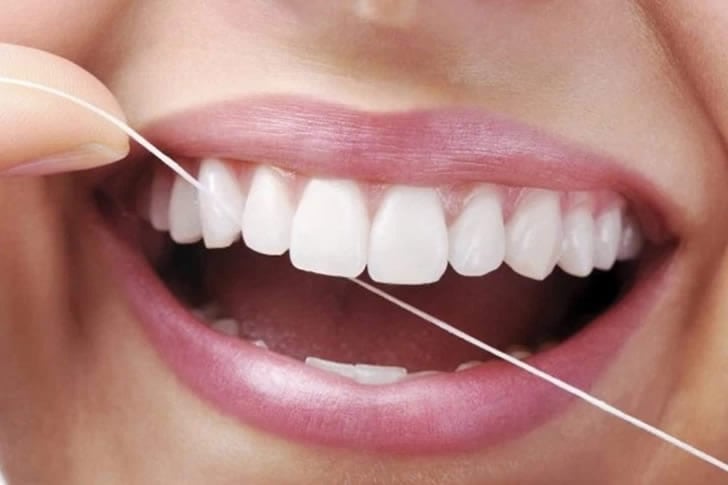
As we age, our oral health often becomes a top concern. Missing teeth, or teeth that are in poor condition, can lead to a variety of complications such as difficulty eating, speech problems, and reduced self-esteem. Dental implants offer a long-term solution for replacing missing teeth, and they have become an increasingly popular choice among seniors looking for effective and durable options. However, the cost of dental implants can be a barrier for many older adults. This guide will walk you through the process of dental implants for seniors, including why they are a good choice, how to find affordable options, and what to expect in terms of treatment, recovery, and maintenance. Whether you’re considering implants to improve your smile or to restore your dental health, this guide will provide you with valuable information to help you make the best decision for your situation.
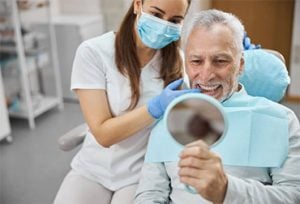
Dental implants are a popular solution for tooth loss, especially for the elderly, as they restore both functionality and aesthetics. Made of titanium, they are surgically implanted into the jawbone to support prosthetic teeth, improving overall oral health. Factors such as the number of implants needed, material quality, and geographic location influence the cost of dental implants. To manage the expense, elderly patients can research local clinics, check insurance coverage, explore financing options, or consider dental schools for discounted rates. Some may also turn to dental tourism or seek assistance from non-profit organizations for financial aid. Maintaining dental implants is crucial for longevity and involves regular brushing, flossing, and dental visits, along with avoiding hard foods and smoking. With proper care and financial planning, dental implants can significantly enhance the quality of life by providing a functional and attractive smile.
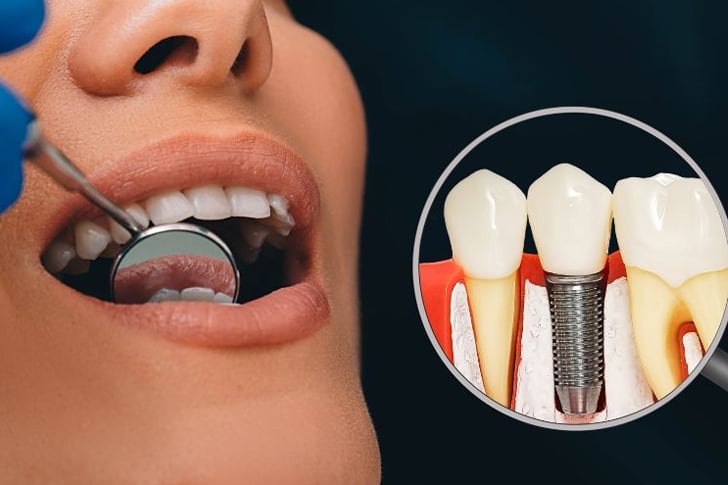
As we age, our oral health often becomes a priority, yet traditional Medicare does not cover dental procedures such as dental implants. For seniors who need tooth replacement due to injury, disease, or decay, dental implants can provide a long-term solution to restore functionality and improve quality of life. However, the cost of dental implants can be prohibitively expensive for many seniors, especially since Medicare typically does not offer coverage for these services. This guide will explore how seniors can maximize their Medicare benefits, what alternatives exist for obtaining affordable dental implants, and how to navigate the complex process of finding financial assistance for dental care. Understanding how to work with Medicare, potential coverage options, and other avenues for financing dental implants can help make this treatment more accessible and less financially burdensome. In this article, we will provide you with a step-by-step approach to finding ways to make dental implants more affordable, and ensure you receive the dental care you deserve.
Effective marketing strategies are essential for growing a dental practice and attracting new patients. Start by understanding your target audience, whether families, seniors, or young professionals, and tailor your marketing messages to their specific needs. Highlight your dental specialties, such as cosmetic dentistry or orthodontics, and share success stories to set yourself apart from competitors. Building a strong online presence with a user-friendly website, local search optimization, and positive patient reviews is crucial. Social media marketing, email campaigns, and patient referral programs are valuable tools for patient engagement and retention. Participate in community events to increase visibility and show your commitment to local health. Paid advertising through platforms like Google Ads and social media can further boost your practice’s reach. Track the success of your marketing efforts using analytics to refine your strategies. With these strategies in place, your dental practice can experience greater growth and success.
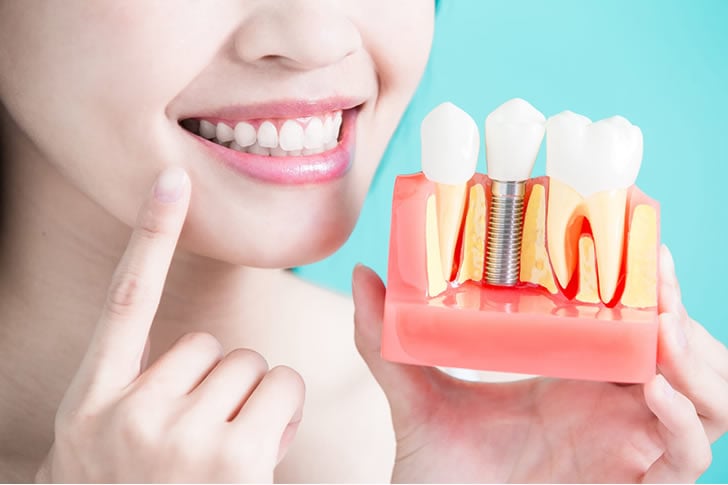
Dental care is crucial for seniors, as poor oral health can lead to serious complications such as gum disease, tooth loss, and even heart disease. However, seniors often face challenges in accessing affordable dental care, including fixed incomes, lack of Medicare coverage, and physical limitations. To help overcome these challenges, seniors can explore options like community health clinics, dental schools, senior discounts, and nonprofit organizations that offer affordable services. Additionally, Medicaid and state-specific programs may provide coverage for low-income seniors. At home, seniors can maintain dental health by brushing, flossing, avoiding tobacco, and eating a balanced diet. Regular dental checkups are essential for early problem detection and prevention. For seniors with cognitive issues, making dental visits less stressful through familiarization and caregiver support can be beneficial. With proactive steps, seniors can maintain their oral health and quality of life without excessive financial strain.
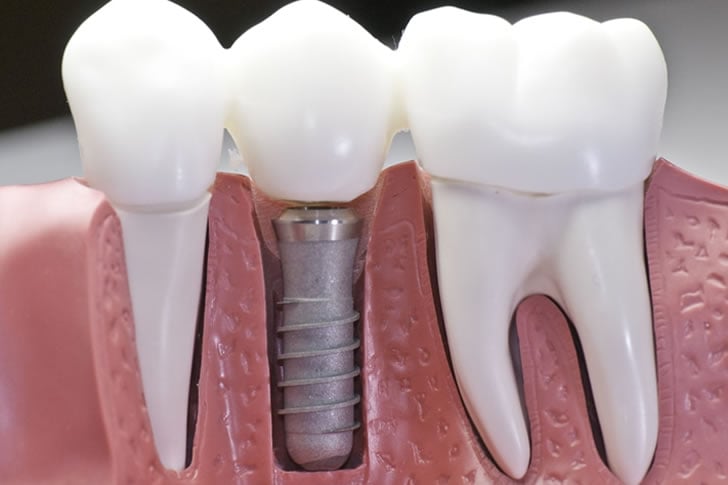
As we age, maintaining good oral health becomes increasingly important, and dental implants can be a life-changing solution for seniors dealing with tooth loss. However, dental implants are often perceived as expensive, making them out of reach for many older adults. Fortunately, there are ways to make dental implants more affordable for seniors, including various financial assistance options, insurance coverage, and strategic planning. This guide will explore the different strategies seniors can use to reduce the financial burden of dental implants. From understanding the cost structure of dental implants to exploring insurance plans, dental discount programs, and financing options, this article will provide valuable insights into making dental implants accessible without compromising on quality care.

Clear dental aligners have revolutionized the world of orthodontics, offering a more discreet and comfortable alternative to traditional metal braces. They have become increasingly popular for individuals seeking to straighten their teeth while maintaining a natural appearance during treatment. Whether you're an adult or teenager, clear aligners offer flexibility, effectiveness, and a boost to self-confidence. However, as with any dental treatment, it's important to understand how clear aligners work, what the costs are, and the various benefits they provide before making a decision. This comprehensive guide explores the mechanics of clear dental aligners, the factors influencing their cost, the advantages of choosing aligners over traditional braces, and tips for maintaining them. Whether you’re considering clear aligners for cosmetic reasons or to address specific orthodontic issues, this article will equip you with the knowledge to make an informed choice for your dental needs.