This guide delves into the competitive landscape of Internet service providers by examining the pricing, plans, and distinctive features across several key players. By analyzing offerings such as Xfinity, AT&T Fiber, Spectrum, and others, readers gain insights into how these providers position themselves. Additionally, the article touches on accessible methods for acquiring cost-effective Internet services.

The digital age demands robust and reliable Internet services, which are essential for daily communication, business operations, and entertainment. Today's society is heavily dependent on the internet for connecting with others, accessing information, and conducting trade. The vast array of Internet service providers (ISPs) available makes it increasingly difficult to choose the best service according to one’s individual needs. Whether one is looking for high-speed internet for streaming services, reliable connectivity for remote work, or budget-friendly options for casual usage, the options can be overwhelming.
This guide provides a comparative analysis of prominent Internet service providers, highlighting their unique selling points and differentiators. By understanding the various plans and features offered, consumers can make informed decisions that best suit their connectivity requirements. Furthermore, this guide aims to make the internet accessible to everyone, breaking down the complexity of finding the right service provider.
The following table summarizes the plans, pricing, and notable features of leading Internet service providers:
| Provider | Plans & Pricing | Key Features |
|---|---|---|
| Xfinity Internet | Connect: $19.99/month for up to 50 Mbps; Connect More: $39.99/month for 100 Mbps | No contracts, Xfinity Wi-Fi hotspots access |
| AT&T Fiber | Fiber Internet 300: $55/month; Fiber 1 Gig: $80/month | Symmetrical speeds, reliable fiber |
| Spectrum Internet | $50/month for 500 Mbps; $70/month for 1,000 Mbps | Unlimited data, affordable modem |
| T-Mobile 5G Home Internet | $35-$70/month for 72-245 Mbps | 5G technology, suitable for rural areas |
| Astound Broadband | Starts at $20/month for 300 Mbps | Low-cost cable, regional focus |
| Verizon Fios | Fios Gigabit Connection: $89.99/month | Fiber-optic network, no data caps |
| Google Fiber | 1 Gbps: $70/month; 2 Gbps: $100/month | No contracts, free installation |
| CenturyLink | Pricing varies based on location; plans start at $50 for up to 200 Mbps | No contract, price-lock guarantee |
| Frontier Internet | Fiber plans start at $49/month for 500 Mbps | Flexible contracts, wide availability |
Source: Visit [Xfinity](https://www.xfinity.com/), [AT&T Fiber](https://www.att.com/internet/fiber/), [Spectrum](https://www.spectrum.com/), [T-Mobile](https://www.t-mobile.com/isp), [Astound](https://www.astound.com/), [Verizon Fios](https://www.verizon.com/home/fios/), [Google Fiber](https://fiber.google.com/), [CenturyLink](https://www.centurylink.com/), [Frontier](https://www.frontier.com/).
Before choosing an Internet service provider, it's important to understand the different types of Internet technologies offered, as each comes with its own advantages and limitations:
To maintain low Internet service costs, consider the following strategies:
Here is a look at the Internet price ranges across various countries:
United States: Approximately $30 - $100+, offering a wide variety of fiber and broadband options with speeds up to 1 Gbps. Depending heavily on location, both rural and urban users often have multiple ISPs to choose from, influencing price and reliability.
United Kingdom: £25 - £60+, mainly provides fiber or broadband services ranging from 30 Mbps to 100 Mbps. Increasingly, UK providers are focusing on expanding fiber connections to enhance speed and reliability.
Canada: CAD 50 - CAD 100+, includes diverse broadband packages with speeds of 25 Mbps to 1 Gbps. Some providers are experiencing growth, enabling more Canadians to access high-speed internet, which is essential for rural areas.
New Zealand: NZD 60 - NZD 100+, favoring fiber or VDSL connections with speeds reaching over 100 Mbps. Transitioning to fiber-optic networks has driven prices down while improving service availability.
Australia: AUD 60 - AUD 110+, with increasing fiber network options offering 50 Mbps to 100 Mbps. The National Broadband Network (NBN) has facilitated better access for Australian consumers, although experiences can vary based on local infrastructure.
Singapore: SGD 30 - SGD 60+, highly competitive high-speed fiber services offering speeds up to 1 Gbps. The heavily urbanized environment promotes excellent coverage and service variety, resulting in some of the world's fastest Internet speeds.
Sweden: SEK 300 - SEK 600+, with a strong focus on fiber-to-the-home (FTTH) connections offering high speeds. Sweden is consistently ranked among the top countries for internet speeds and quality of service.
When selecting an Internet service provider, broadening the evaluation criteria is essential for discerning the differences between each option. A suitable ISP not only matches the speed and pricing that users require, but it should also consider service reliability, customer support, and contract flexibility. Below are factors to weigh when making a decision:
The landscape of Internet service continues to evolve, influenced by technological advancements and changing consumer needs. Here are several trends shaping the future of Internet services:
Disclaimer: The above information is sourced from online resources, accurate as of October 2023. Access requirements and methods are subject to official provider criteria. Please note, this website is not regularly updated.
Visit the following references for more information: [Xfinity](https://www.xfinity.com/), [AT&T Fiber](https://www.att.com/internet/fiber/), [Spectrum](https://www.spectrum.com/), [T-Mobile](https://www.t-mobile.com/isp), [Astound](https://www.astound.com/), [Verizon Fios](https://www.verizon.com/home/fios/), [Google Fiber](https://fiber.google.com/), [CenturyLink](https://www.centurylink.com/), [Frontier](https://www.frontier.com/).






In this insightful guide, we explore various Internet service providers and their offerings. Internet connectivity is crucial in an ever-digitizing world, with ISPs providing varying levels of service in terms of speed, reliability, and coverage. This article delves into popular providers, comparing plans, features, and pricing, thus providing a thorough understanding of the options available to consumers.

Delve into the fast-paced world of internet service providers, evaluating their plans, pricing, and features. This guide, focusing on diverse ISPs, including Xfinity, AT&T Fiber, and others, offers a detailed look at options for households seeking optimal connectivity based on unique needs and regions. Included is a comparison table and tips for low-cost access.
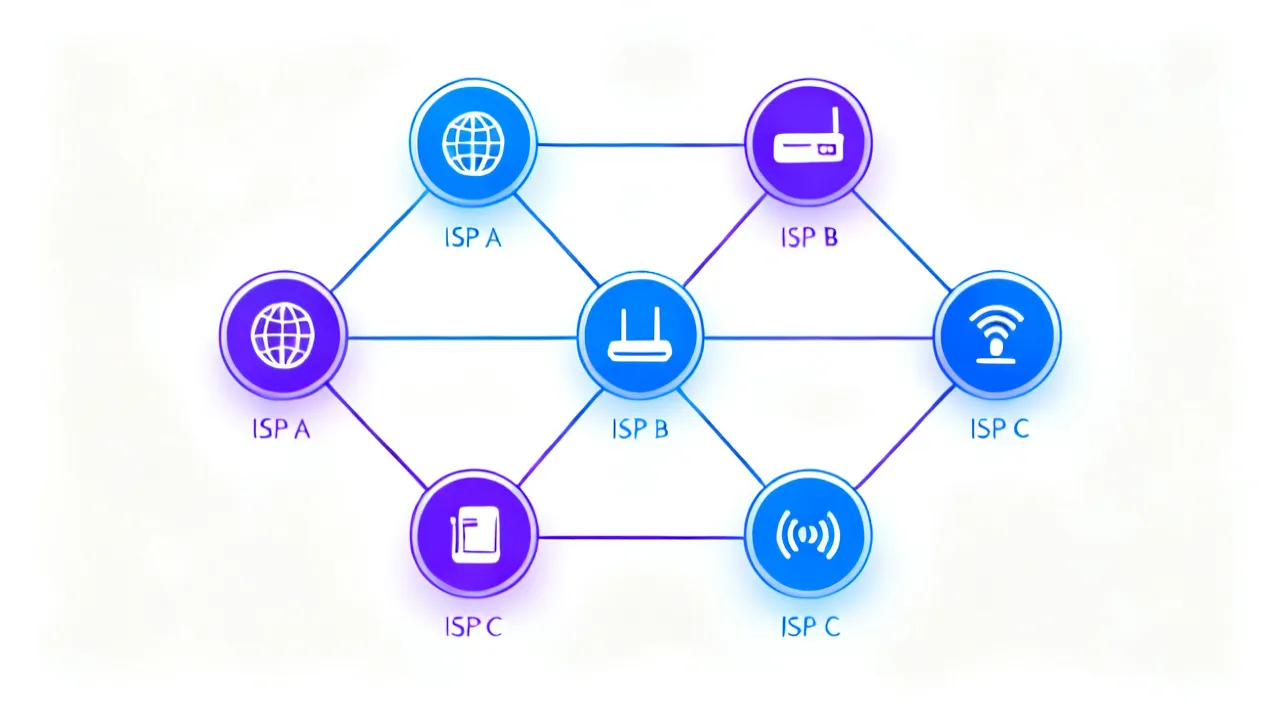
This article delves into the Finextra Wiki's insights on various internet service providers. It explores pricing, features, and plans from leading companies such as Xfinity, AT&T Fiber, Spectrum, T-Mobile, Astound Broadband, and Verizon Fios. By comparing these options, readers gain a clearer understanding of what's available on the market, tailored to their connectivity needs.
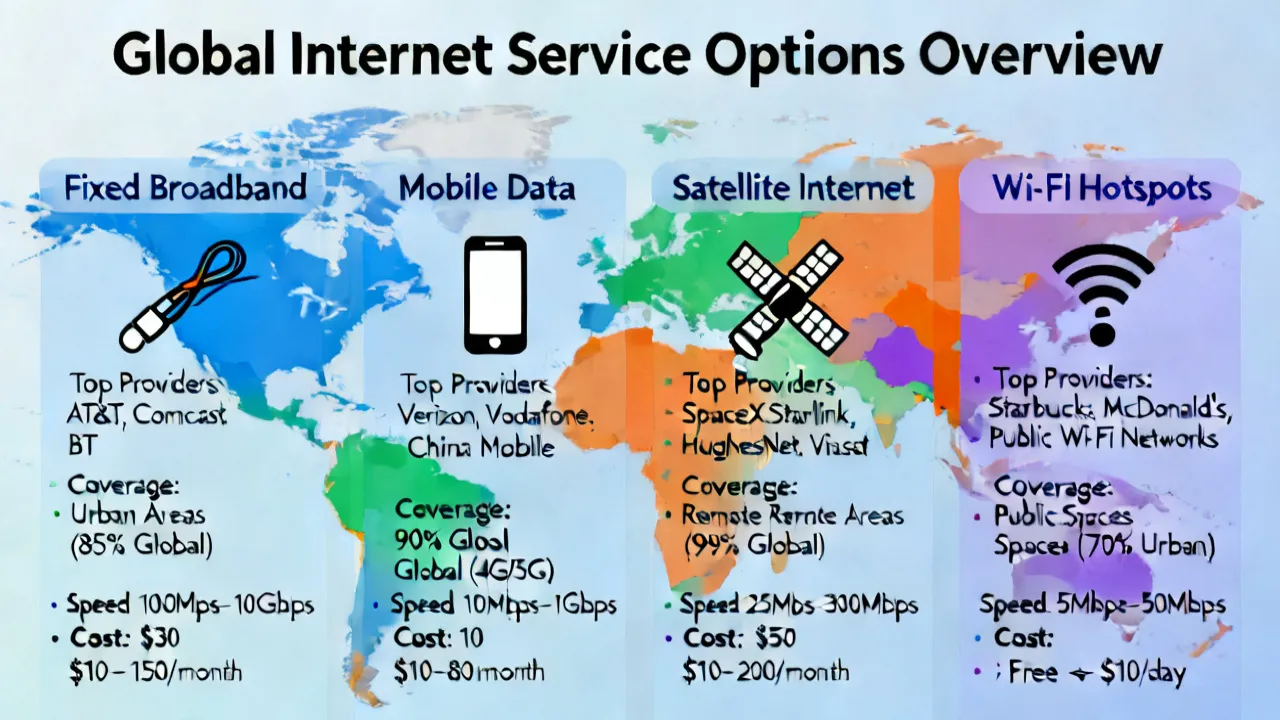
In today's connected world, understanding the various internet service options is crucial for both entrepreneurs and consumers. From global providers to local suppliers, internet plans have become varied and sophisticated, catering to different needs and budgets. This guide aims to explore these options, including insights from Finextra Wiki, and provide clear guidance on making cost-effective choices for reliable connectivity.
This comprehensive guide explores how to navigate the Parim login system and provides an in-depth analysis of major internet service providers like Xfinity, AT&T Fiber, and T-Mobile, among others. Readers will understand pricing, services, and how to access affordable internet services. Parim login represents a user-focused platform facilitating seamless access to digital resources, often utilized alongside internet services.
This comprehensive guide explores the complexities of accessing internet services, emphasizing the significance of Parim Login. "Parim Login" typically refers to the initial process of accessing an online service or platform. The guide delves into various internet service providers and their offerings, details methods for acquiring affordable internet access, and provides a comparative analysis across global regions. A disclaimer on data reliability is also included.

The article explores the nuances of optimizing Parim login, stressing its essentials in synchronized work environments and emphasizing efficiency in online platforms. Parim is a workforce management software that streamlines employee scheduling and time tracking. The login function needs to be intuitive and reliable to uphold productivity levels consistently.

This guide explores the topic of "Parim Login" and examines various internet service providers, offering a comparison of plans, features, and pricing. The article also covers strategies for low-cost internet access, offering insightful details for readers seeking efficient connectivity solutions. This comprehensive analysis is intended to serve as a reliable source of information.